

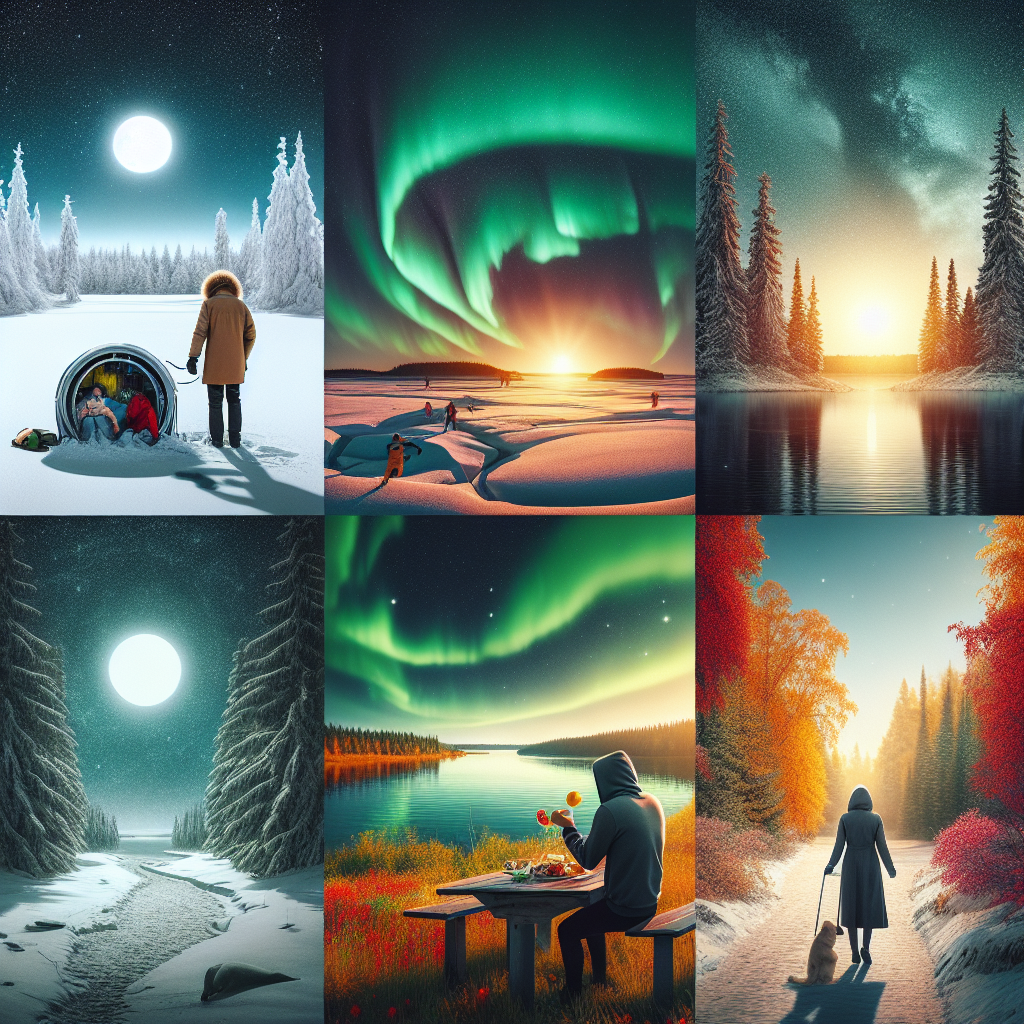
Finland, a land that stretches from the tranquil shores of the Baltic Sea to the stark beauty of the Arctic Circle, showcases an extraordinary range of seasonal shifts. Here, changes in daylight, temperature, and available activities are more pronounced than in most European countries, offering distinct experiences depending on when you visit.
Though many travel guides pose the question, “What is the best time to visit Finland?” a more nuanced inquiry would be: What do you hope to experience? Whether it’s the allure of snow, the mesmerizing northern lights, the serenity of lakes, the thrill of hiking, or the warmth of sauna culture, each experience is tied to a specific season and time of year.
This guide delineates Finland’s offerings month by month, assisting travelers in aligning their aspirations with the realities on the ground.
Is there really a single “best” time to visit Finland?
The truth is, no single month will satisfy everyone. Finland is home to four distinctly different seasons:
- Deep winter, characterized by snow and polar nights
- Bright spring, with landscapes gradually melting away
- Intense summer, offering long days filled with lakeside leisure
- Colorful autumn, when the forests come alive with vibrant hues and northern lights make their return
Your choice of when to visit should reflect your desires for snow, sunlight, warmth, or a reprieve from the crowds.
Finland month by month
January – Deep winter and polar night
January holds the title for the coldest month in Finland. In the northern regions, daylight is a fleeting luxury, often lasting just a few hours each day. However, a reliable blanket of snow covers most of the country during this time.
Good for:
- Chasing the northern lights in Lapland
- Engaging in snowmobile safaris, husky rides, and visiting reindeer farms
- Capturing stunning winter landscapes through photography
Challenges: Be prepared for frigid temperatures, limited daylight, and slower travel conditions.
February – Stable snow and clearer skies
In February, the chill remains, but often comes with an advantage: clearer skies. The snow conditions are excellent, perfect for winter sports enthusiasts.
Good for:
- All manner of winter sports and skiing
- Viewings of the northern lights, aided by slightly longer daylight hours
- Iconic Arctic scenery
March – Winter with more light
Often celebrated as one of the finest winter months, March features deep snow and an increasing presence of daylight.
Good for:
- Participating in winter activities without the overwhelming darkness
- Enjoying long hours outdoors surrounded by snow
- Photography, thanks to improved light conditions
April – Transition and melting season
April can be a capricious month, where snow is melting in the south while still clinging to the northern landscapes. Expect gray and wet scenes.
Good for:
- Fewer tourists, inviting a sense of calm
- The tail end of the northern lights season
Challenges: April is not ideal for winter sports or summer activities, fitting squarely as a shoulder month.
May – Quiet spring and fresh nature
As May unfolds, the snow vanishes in most areas, giving way to blooming trees. Cities like Helsinki burst into life once again.
Good for:
- Walking tours and urban explorations
- Witnessing Finland awaken after its long winter
- Benefiting from lower prices before the summer rush
June – Start of the Midnight Sun
June heralds the arrival of exceedingly long days. In the north, the sun simply doesn’t set.
Good for:
- Experiencing the enchanting midnight sun
- Exploring nature, hiking trails, and national parks
- Indulging in lakeside cabins and sauna traditions
This marks a shift as locals embrace outdoor life at their summer cottages.
July – Peak summer and lake life
As the warmest month of the year, July encourages swimming and outdoor activities amidst lush, green forests.
Good for:
- Swimming, boating, and fishing adventures
- Festivals and various outdoor events
- Immersion in Finnish summer cottage culture
Challenges: Expect swarms of mosquitoes in rural areas, and be mindful that it is peak holiday season.
August – Warm but calmer
August retains the warmth but offers respite from the summer crowds, with evening daylight beginning to wane.
Good for:
- Hiking and berry picking
- Enjoying serene lakes free of the usual throngs
- A chance to glimpse the northern lights as the month draws to a close
September – Autumn colors and northern lights return
One of the most visually stunning months, September showcases forests ablaze with shades of red, orange, and yellow.
Good for:
- Autumn hiking, lovingly referred to as “ruska” season
- Northern lights with pleasantly mild temperatures
- Photography and peaceful connections with nature
October – Darker, moodier, fewer visitors
With days becoming shorter and colder, October ushers in a quieter atmosphere, as trees shed their leaves.
Good for:
- Intimate city trips steeped in atmosphere
- Relaxing sauna experiences amid cozy indoor culture
November – The Darkest month
November is often regarded as the most challenging month for travel, with the snow yet to arrive and daylight dwindling.
Good for: Low prices and a distinct lack of tourists.
Challenges: Expect gray skies, minimal daylight, and limited seasonal attractions.
December – Snow returns and festive Lapland
Reliable snow returns, especially in northern Finland, leading popular towns like Rovaniemi to flourish as winter tourism destinations.
Good for:
- A joyful Christmas atmosphere
- Snow activities and renewed northern lights sightings
- Classic winter scenery that beckons exploration
Best time to see the Northern Lights
The season for northern lights generally extends from late August to early April, with September and March offering an optimal balance between dark and light. For those chasing the most striking winter landscapes, January and February provide the best conditions.
For the finest views, seek dark skies, clear weather, and head north, where the chances improve significantly.
Best time to experience the Midnight Sun
The phenomenon of the midnight sun shines brightest from late May to mid-July above the Arctic Circle. June stands out as the prime month, where nature reaches its lushest greens and temperatures invite outdoor adventures.
Best time for snow and winter activities
Reliable snow blankets the landscape from December to March, but March often strikes the perfect balance of optimal snow conditions and extended daylight.
Best time for hiking, lakes, and nature
June through September rolls out the red carpet for outdoor enthusiasts, with easily accessible trails, swimmable lakes, and stable weather inviting exploration.
When to avoid visiting Finland
April and November often fall short for travelers. These transition months yield limited visual appeal and fewer available activities, making them less rewarding for most visitors.
Choosing the right month for your trip
| Your Experience | Best Months |
|---|---|
| Northern lights | September–March |
| Midnight sun | June |
| Snow and winter sports | January–March |
| Lakes and summer cottages | July–August |
| Autumn colors | September |
| City travel and walking | May–September |
Finland’s character transforms vividly throughout the year. The key to a rewarding visit lies in aligning your travel intentions with the seasons. By matching your expectations to the right month, exploring this captivating country becomes an accessible and enjoyable journey.