

Published on April 14, 2026
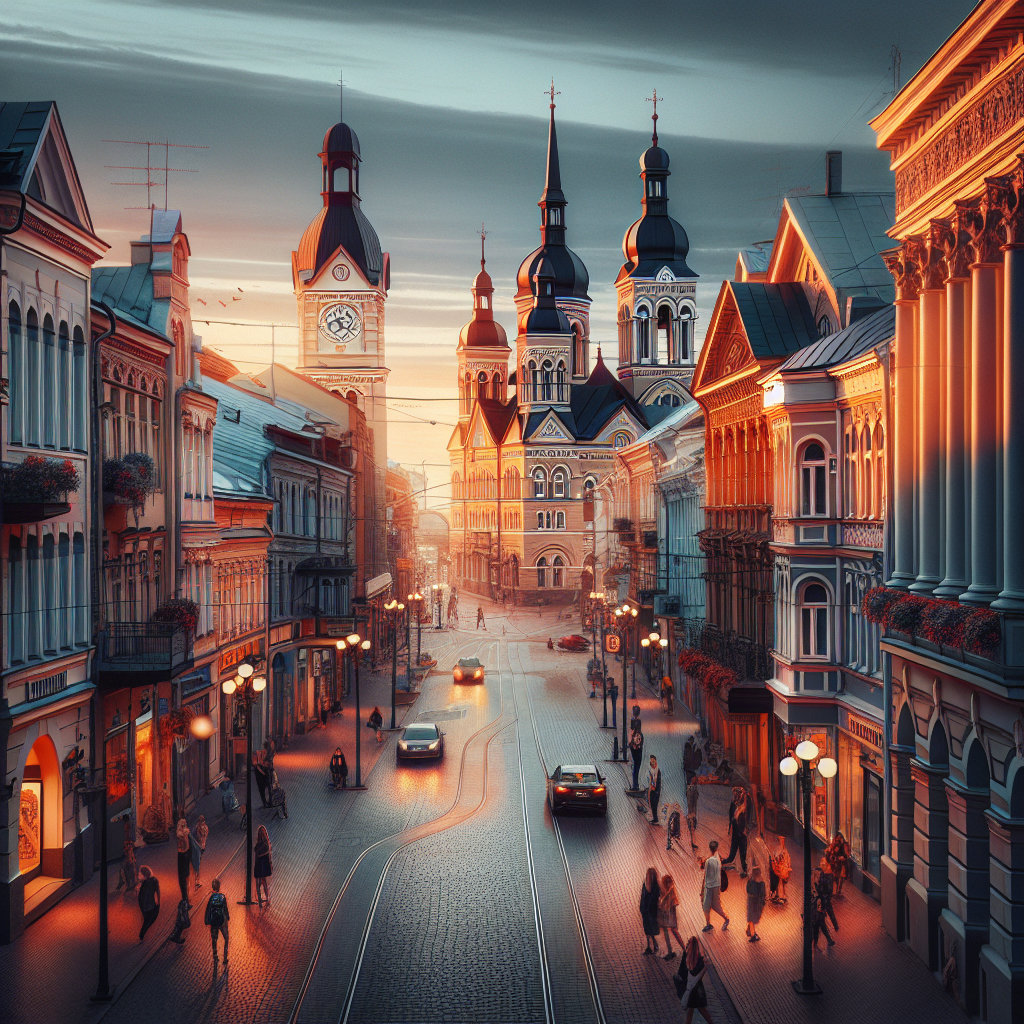
Image generated with Ai
Europe’s cultural landscape is on the brink of a significant transformation in 2026. As major tourist hubs become increasingly inundated with visitors, a new breed of traveler is seeking genuine, off-the-beaten-path experiences. This shift is shining a light on the hidden art capitals of Europe—small towns and regions that were once overlooked but are now emerging as vital cultural centers, offering authentic art experiences shaped by local communities and stunning natural backdrops.
Governments, cultural organizations, and community leaders throughout Europe are championing this evolution, prioritizing sustainability, authenticity, and community engagement in art tourism. This movement is poised to redefine our European experiences, veering away from crowded capitals and into quieter, lesser-known corners where art is woven into the very fabric of everyday life.
The Rise of Sustainable Cultural Tourism in Europe
Among the foremost challenges facing European tourism today is overtourism, which threatens not only the preservation of cultural heritage but also strains relationships with local residents. In response, the European Commission is actively advocating for sustainable cultural tourism—a model that centers on heritage and local communities, aiming to benefit both the environment and the people who inhabit these much-loved locales.
To combat overtourism, European policymakers are shifting their focus towards promoting lesser-known destinations and cultural initiatives that enhance local communities. Programs like the European Destinations of Excellence (EDEN) are spotlighting emerging destinations that provide authentic cultural encounters, far removed from the throngs of popular cities. Such initiatives encourage travelers to explore beyond the usual routes, deeply engaging with local cultures and obtaining an art experience that is both meaningful and sustainable.
Oulu & Trenčín: European Capitals of Culture 2026
This year, the spotlight will illuminate two cities that have long remained under the radar—Oulu in Finland and Trenčín in Slovakia. As European Capitals of Culture, these cities are seizing the opportunity to reinvent themselves through bold artistic events and community celebrations.
Oulu: Finland’s Hidden Gem
Oulu, nestled along the shores of the Gulf of Bothnia, is a world away from Finland’s bustling capital, Helsinki. With its enchanting landscapes and tranquil charm, Oulu is poised to make its mark on the global cultural scene. The Oulu2026 program promises over 500 events, spread throughout the region, that will allow visitors to experience art in diverse settings—from serene seaside villages to invigorating forest trails and urban spaces.
A centerpiece of Oulu’s offerings will be the “Logos” sound installation, a year-long project set within the Oulu Cathedral. This innovative installation will transform cosmic signals from the depths of space into a one-of-a-kind auditory experience, melding art and science in a way that promises to captivate a worldwide audience—ranging from scientists and art enthusiasts to the simply curious.
In addition, Oulu will showcase the E75 Art Bus, a nomadic art festival traveling from Sitia in Crete to Vardø in Norway, with stops in various European cities and villages. This dynamic initiative will feature an array of events, including seminars, exhibitions, concerts, and workshops, all centered around exploring the role of art in democracy and social change.
Trenčín: Awakening Curiosity in Slovakia
Meanwhile, Trenčín—a charming city in western Slovakia—also lays claim to the title of European Capital of Culture in 2026. Famed for its rich history and scenic beauty, Trenčín is using this prestigious title to position itself as a hub of artistic innovation. Its slogan, “Awakening Curiosity,” beckons travelers to delve into its cultural legacy and engage with contemporary art like never before.
A major highlight of Trenčín’s offerings will be TrenAir, an international artist residency program that will host creators from Slovakia and beyond. These artists will draw inspiration from the local environment to produce works that capture Trenčín’s unique blend of history, nature, and modernity. The resulting pieces will be displayed in exhibitions and public installations, giving visitors a rare glimpse into the creative process.
Additionally, the “Made in Trenčín” exhibition will showcase work by international artists created during their residency, celebrating the city’s vibrant and evolving cultural identity through the eyes of those who experience it firsthand.
EU Policies Supporting the Shift to Hidden Art Capitals
The European Union is playing an instrumental role in encouraging exploration of these hidden art destinations. EU policies are strategically crafted to redirect tourism towards emerging locales, particularly those that prioritize sustainability and community engagement in tourism development. Initiatives such as EDEN and the European Heritage Label are actively promoting lesser-known towns as cultural treasures waiting to be uncovered.
The EDEN program, for instance, highlights destinations that focus on preserving their cultural heritage while offering authentic, sustainable experiences to visitors. It paves the way for a shift away from overcrowded tourist hotspots, toward regions that are eager and equipped to welcome guests while cherishing their cultural authenticity.
Conversely, the European Heritage Label honors sites that embody European ideals and values, encompassing historical landmarks and cultural monuments. These often-overlooked sites present immersive experiences connecting visitors to Europe’s rich tapestry of history and heritage.
The Benefits of Exploring Europe’s Hidden Art Destinations
Traveling to these lesser-known art capitals offers myriad benefits for both visitors and local communities. For travelers, it provides a chance to connect with a more authentic and intimate side of Europe—where art is not merely something to observe but something to experience and interact with. By charting new territory, tourists can immerse themselves in local cultures, forge relationships with residents, and witness the creative process unfold.
For local communities, cultural tourism can usher in essential economic benefits while avoiding the pitfalls of overtourism. By emphasizing sustainability and community involvement, this model can generate fresh economic opportunities, support local artisans, and contribute to the preservation of cherished cultural practices. Initiatives such as artist residencies and traveling art festivals help foster a reputation for these communities as creative hubs, inviting future visitors and investments.
The Future of Art Tourism in Europe
As we look ahead to 2026, Europe’s art tourism landscape is destined to bloom with new vitality. Oulu and Trenčín are poised to usher in a new era of cultural exploration, encouraging travelers to peer beyond the bustling capitals and seek out Europe’s hidden treasures. As EU policies continue to prioritize sustainability, local engagement, and heritage preservation, art tourism stands to become a potent force in shaping travel’s future.
By exploring these lesser-known destinations, travelers can actively participate in this cultural awakening, helping to redefine how we connect with Europe. Whether through workshops in Trenčín or experiencing cosmic sound installations in Oulu, the art of tomorrow beckons just beyond the horizon. Will you answer the call?
Embrace the Hidden Art Capitals of Europe in 2026
As Europe gears up for a cultural renaissance in 2026, the message is unmistakable: leave behind the thrumming capitals and venture into the heart of Europe’s hidden art capitals. Oulu, Trenčín, and countless other emerging destinations invite travelers to forge connections with communities, engage with art in fresh and exciting ways, and uncover the continent’s rich cultural diversity. This is your invitation to be part of a movement that champions sustainability, authenticity, and engagement—where art flourishes in the streets, forests, and village squares. Will you take the journey?
Advertisement
Advertisement