

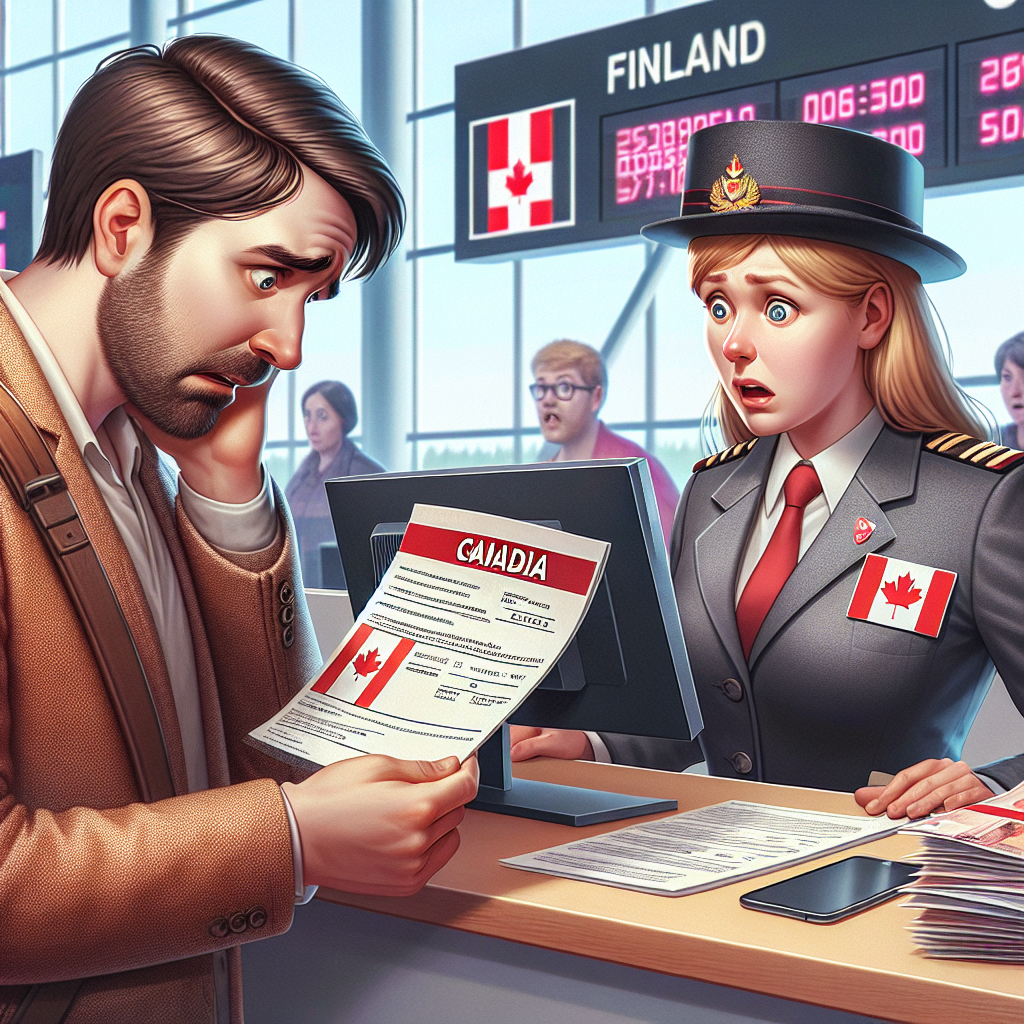
Travel Costs Rise for Canadian Tourists Heading to Finland
As the cost of travel continues to climb, Canadians dreaming of a Finnish getaway may soon find their plans come with a steeper price tag. Known for its breathtaking landscapes, the enchanting northern lights, and a rich sauna culture, Finland has also earned the title of the world’s happiest country for the ninth consecutive year. However, by 2028, travelers from Canada might face new fees.
The reason? The Finnish government is deliberating the introduction of a tourist tax as the nation experiences a surge in visitor numbers. On Friday, the Ministry of Finance announced that it has begun drafting legislation for this tax, following the insights garnered from a preliminary report.
What Will the Tax Mean for Travelers?
Should this proposal move forward, anyone staying in hotels or other temporary accommodations will be required to pay the tax. The government clarified that the tax will apply to all overnight stays, whether by domestic or foreign travelers.
“In order for various accommodation types to be treated equitably, the tourist tax would encompass stays by both domestic and international guests, as well as all forms of temporary paid lodging,” the statement noted.
This initiative would mark the first time Finland implements such a tax, and it will remain optional for municipalities. Minister of Finance Riikka Purra emphasized, “A tourist tax would provide municipalities, particularly those popular with tourists, an avenue to garner additional income from tourism. The aim is to establish a straightforward and transparent tax model, with each municipality deciding independently whether to adopt it.”
While the specific amount of the tax is yet to be determined, officials suggest it will likely be a “moderate percentage” of accommodation costs, mirroring practices in other European nations. Notably, Norway is set to introduce a three percent visitor contribution tax starting July 1, 2025.
Why is Finland Considering a Tourist Tax?
The revenue generated from this tax would assist municipalities in managing the financial impacts associated with tourism.
According to Helsinki Times, Finland is witnessing some of the most significant growth in foreign arrivals among European countries. In fact, overnight stays in hospitality establishments soared to 7.2 million, reflecting a 12 percent increase compared to a more modest three percent rise seen across Europe. Data from Visit Finland indicates that in recent years, the majority of visitors have hailed from abroad, even as domestic tourism sees a downward trend.
As Finnish cities brace for even more travelers, they are strategizing to ensure that the benefits of tourism are harnessed effectively. Only time will tell how this potential tax will reshape the travel landscape for Canadians and others drawn to the allure of Finland.