

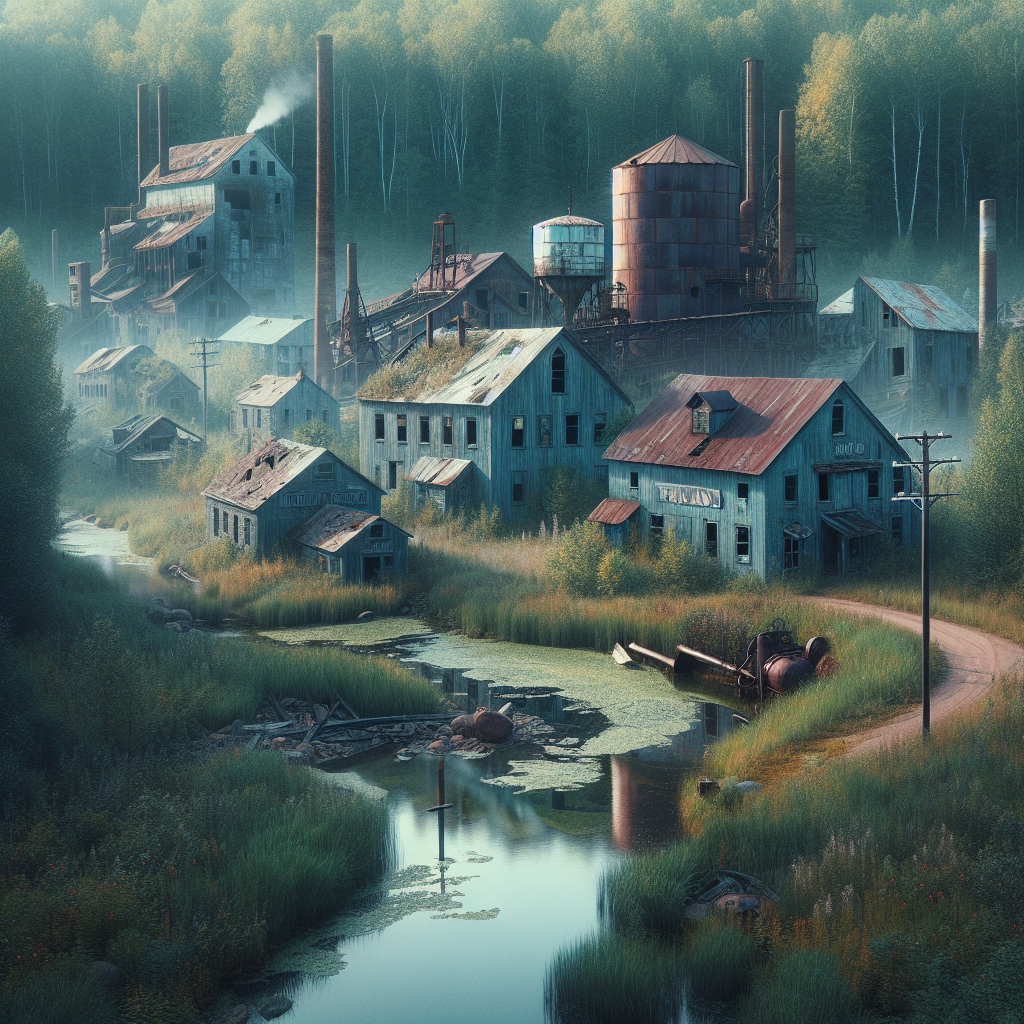
A Glimpse Into Cold War Relics: The Finland Air Force Base
For enthusiasts of Cold War history, the secretive Greenbrier Bunker in West Virginia often takes center stage. Yet another intriguing piece of history has recently hit the market: the Finland Air Force Base nestled atop Lookout Mountain in Minnesota. While the charming town of Finland thrives as a hub for outdoor adventure, the abandoned base remains a haunting reminder of Cold War tensions, real estate dreams, and an unexpected environmental legacy.
Finland may boast the title of one of Minnesota’s most idyllic small towns, yet the nearby air base tells a different story—a tale that goes beyond neglected buildings and overgrown paths. Here lies a chapter of American history that is both preserved and decaying.
As this unique property prepares to go on sale, let’s delve into what the potential buyer can expect.
From Watchful Eyes to Abandoned Skies
The opportunity to own an old air force base is one of the more remarkable prospects in Minnesota. Established in 1951—costing $5 million at a time when that amount would translate to over $50 million today—the Finland Air Force Base served as a front-line defense during the Cold War, scanning the northern skies for any signs of Soviet aggression.
For nearly three decades, this military installation operated as a self-sufficient mountaintop community, housing around 350 military personnel and their families. The base’s formidable radar systems stretched approximately 250 miles, playing a crucial role in safeguarding the northern border.
| Personnel | Around 350 |
|---|---|
| Radar Radius | 250 miles |
| Buildings | 26 military, 44 homes |
Life in a Cold War Air Force Base
Living at the Finland Air Force Base was anything but conventional. Perched high on Lookout Mountain, its residents enjoyed stunning views of Lake Superior and amenities that would often make modern resort developers envious.
This seemingly isolated spot transformed into a small town, providing facilities like an underground curling rink (constructed without official approval), a movie theater, a bowling alley, and even a ski tow—blending military life with the essence of a mountain getaway.
| Size | 101 Acres |
|---|---|
| Usability? | Some buildings still have roofs |
| No Toys | Military equipment removed prior to closure |
The Transition from Military Precision to Ghost Town
By 1980, as military technology evolved and strategies shifted, the base’s mission came to an end. Marking this transition with a ceremonial flair, female personnel climbed the search tower, raising champagne glasses as radar screens went dark for the final time. What was once a vigilant community became a ghost town of mid-century homes, paved roads, and memories of a bygone era.
| Natural Beauty | Surrounded by the Superior National Forest |
|---|---|
| Nearby Interaction | The Trestle Inn is a nearby draw for travelers |
| Isolation in the Hills | Abundant walking trails for exploration |
A Sobering Reality: Environmental Challenges Awaits
While potential buyers might envision a ready-made mountain community, there’s a significant caveat: the base’s military history has left its mark on the environment. The property is now a designated Superfund site, marred by contamination from diesel fuel, polychlorinated biphenyls (PCBs), and trichloroethylene (TCE), complicating any revitalization efforts.
| Diesel Contamination | Much more resistant to biodegradation than other contaminants |
|---|---|
| PCBs | These toxic substances linger in the soil for decades |
| TCE | Can severely contaminate groundwater over long periods |
A Cautionary Tale for Potential Buyers
As the story of the Finland Air Force Base prepares to shift into a new chapter, prospective buyers should tread carefully. While an asking price of $800,000 may seem like a steal for such a breathtaking mountaintop location, the next buyer will inherit not just buildings and land, but a perplexing environmental puzzle.
Previous visions for luxury developments and wellness retreats have faded, yet the property remains steeped in potential. Could it transform into a site for historical preservation, a popular tourist destination, or perhaps something entirely unexpected, waiting for the right vision and resources to bring it back to life? Only time will tell.