

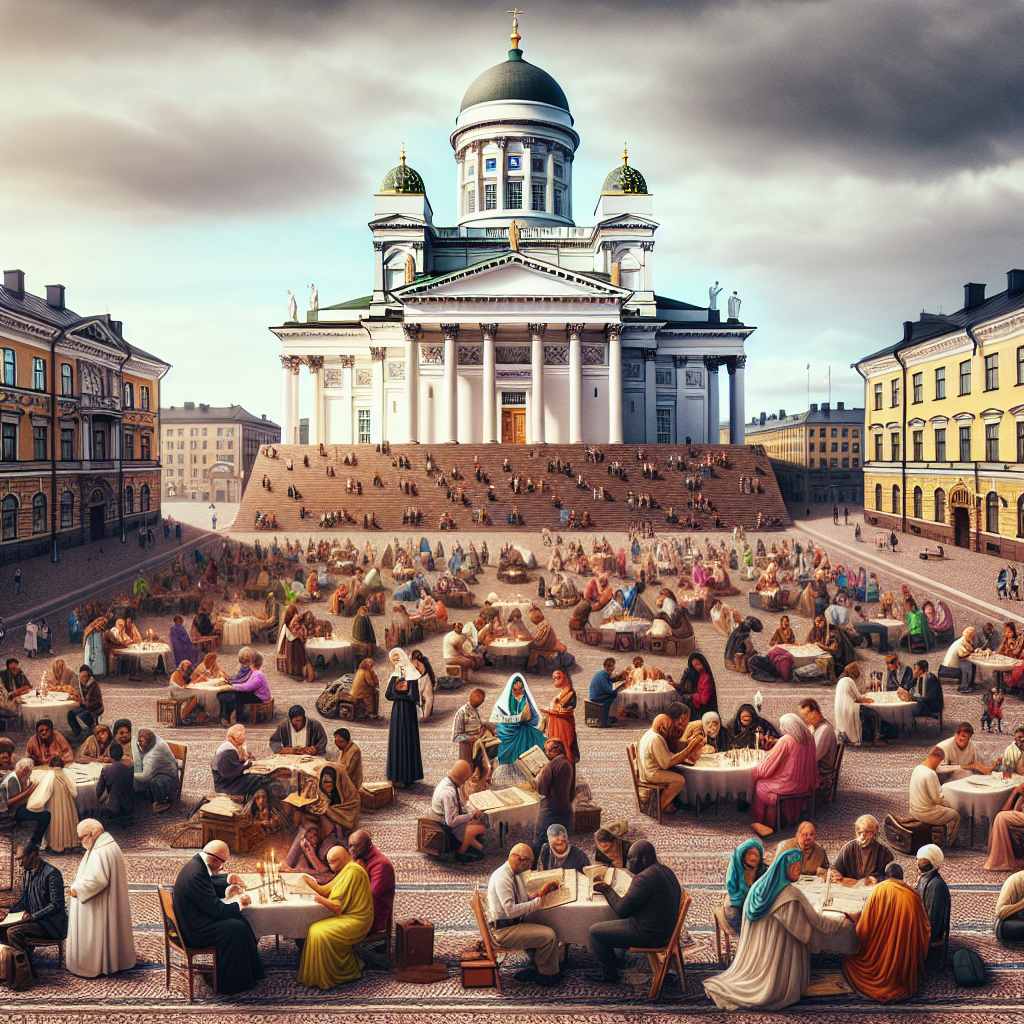
The History of Helsinki Cathedral
Constructed between 1830 and 1852, Helsinki Cathedral stands as a homage to Tsar Nicholas I of Russia, who held the title of Grand Duke of Finland during that period. The brainchild of architect Carl Ludvig Engel, the building was originally named St. Nicholas’ Church. Over the years, it has evolved into a powerful emblem of Finnish independence and national identity. Its neoclassical design, characterized by clean lines and grand columns, captures the essence of 19th-century architectural trends.
The Religious Significance of Helsinki Cathedral
As Helsinki’s principal Lutheran church, the Cathedral plays a vital role in the city’s spiritual landscape. It hosts regular worship services, including Sunday masses, weddings, baptisms, and various significant ceremonies. This sacred space invites people to gather and celebrate their faith and cherished traditions.
The Cultural Role of Helsinki Cathedral
Beyond its religious significance, Helsinki Cathedral is a cornerstone of the city’s cultural life. The venue frequently welcomes concerts, particularly those spotlighting classical music and choral performances, taking advantage of its remarkable acoustics and breathtaking ambiance. These musical events draw both locals and international visitors alike.
Moreover, the Cathedral is integral to public celebrations and festivals held in Senate Square, the expansive area directly in front of it. Its central location and striking architecture provide a stunning backdrop for a plethora of cultural gatherings, markets, and national celebrations.
Whether you’re visiting Helsinki for the first time or returning to rediscover its charms, a stop at Helsinki Cathedral is essential. It’s not just a landmark; it embodies the very spirit of the city, making it a must-see on any itinerary for a truly memorable experience.