

Published on February 17, 2026
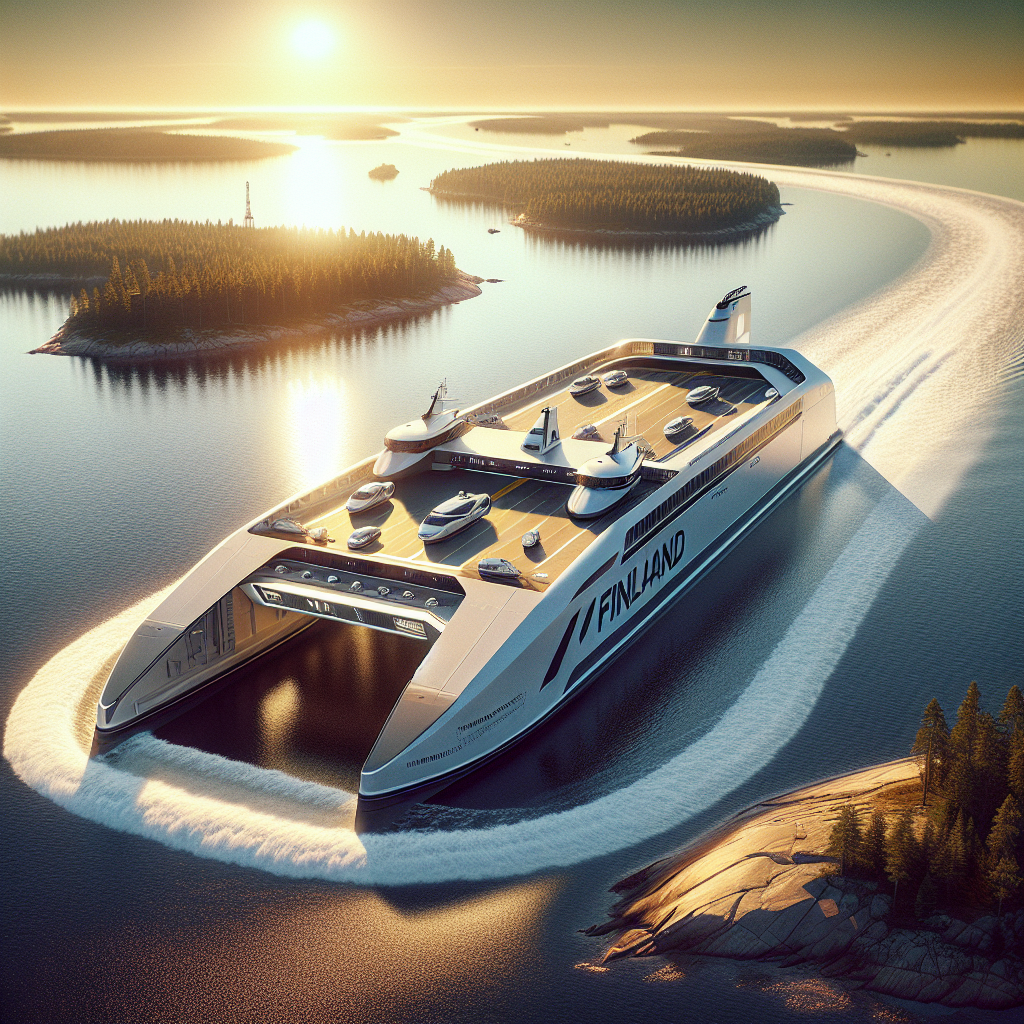
In 2026, **Finland**, **Estonia**, and **Sweden** are set to transform European tourism with innovative ferry travel options that allow travelers to bypass traditional air routes. These Nordic and Baltic countries are leading a ferry revolution, expanding networks that offer unique, eco-friendly alternatives to flying, enabling travelers to explore vibrant cities and breathtaking coastlines without entering an airport.
As the demand for sustainable travel grows, these ferry routes provide an ideal answer to rising concerns about aviation’s environmental footprint. Whether you’re wandering through Tallinn’s UNESCO World Heritage-listed Old Town, diving into the urban buzz of Helsinki, or soaking in the beauty of Stockholm’s stunning archipelago, the Baltic Sea ferry routes connect you seamlessly to a region teeming with culture, history, and natural wonders.
Ferries as a Sustainable Alternative to Flights in Europe
The burgeoning interest in **ferry travel** is driven both by a desire to savor Europe at a leisurely pace and by a firm commitment to eco-conscious tourism. The European Union is actively championing sustainable transportation, and ferries stand out as a compelling alternative to air travel. According to the European Commission’s transport policy, prioritizing sea travel—alongside rail and bus options—is crucial to achieving tourism sustainability goals.
The ferry connections between **Finland, Estonia**, and **Sweden** exemplify this shift. Major maritime hubs like the **Port of Helsinki** and **Old City Harbor Tallinn** enable efficient travel across short distances and present a green solution to cross-border journeys. These cities are becoming gateways to a new kind of tourism — one that emphasizes environmental awareness without compromising on comfort or efficiency.
Helsinki to Tallinn: The Ultimate Flight-Free Journey
<pAmong the most favored ferry routes is the Helsinki-Tallinn Ferry. This journey highlights the ease and convenience of ferry travel, taking just 2 to 3 hours. Multiple ferries operate daily, providing frequent connections between these two vibrant capitals.
<pPort of Helsinki, Finland’s busiest passenger port, boasts a direct maritime link to Tallinn’s Old City Harbor. The crossing is not just swift; it also offers scenic vistas of the Baltic Sea, making the journey an enjoyable experience.
Here’s a closer look at what the **Helsinki to Tallinn Ferry** offers:
| Route | Travel Time | Departure Frequency | Main Operators | Destinations |
|---|---|---|---|---|
| Helsinki to Tallinn | 2-3 hours | Multiple daily departures | Tallink, Viking Line | Helsinki, Tallinn |
<pTravelers can disembark in Tallinn, immersing themselves in the medieval allure of cobblestone streets and ancient architecture—all within a short stroll from the ferry terminal. Meanwhile, Helsinki offers a blend of modernity and history, showcasing landmarks like the iconic Helsinki Cathedral alongside its bustling design districts.
For those seeking an authentic cultural experience, this brief maritime journey provides the best of both worlds.
Stockholm: Sweden’s Gateway to Ferry Travel
<pExpanding the ferry network further, Stockholm, Sweden’s dynamic capital, plays a pivotal role in ferry-based tourism. The Stockholm-Tallinn and Stockholm-Helsinki routes connect travelers to some of the Baltic Sea region’s best offerings.
<pKnown for its breathtaking archipelago, which features over 30,000 islands, ferry services in Stockholm not only facilitate quick travel between major hubs but also allow passengers to discover these mesmerizing islands. As part of Sweden’s commitment to sustainable travel, ferries here serve as critical links connecting otherwise isolated destinations.
Here’s a snapshot of key **Stockholm ferry connections**:
| Route | Travel Time | Departure Frequency | Main Operators | Destinations |
|---|---|---|---|---|
| Stockholm to Helsinki | 16 hours | Multiple weekly departures | Tallink, Viking Line | Stockholm, Helsinki |
| Stockholm to Tallinn | 17 hours | Multiple weekly departures | Tallink, Viking Line | Stockholm, Tallinn |
<pThese routes not only connect major Baltic cities but also offer passengers the chance to enjoy sweeping views of Sweden’s coastline, islands, and neighboring countries. The lengthy ferry rides allow travelers to relax, savor local Swedish cuisine, or simply revel in the picturesque views from the deck. These journeys transcend mere transportation; they celebrate the essence of travel itself.
Port of Helsinki: The Heart of Finnish Ferry Operations
<pAt the forefront of ferry travel in Finland, the Port of Helsinki stands as a modern gateway to various Baltic destinations. In 2025, the port welcomed over 11 million passengers, a clear indication of the growing appeal of ferry tourism. It also serves as a launch point for international cruises.
<pThe Port of Helsinki connects the city to several countries, including Sweden and Estonia, with ferries frequently traversing between Helsinki, Stockholm, and Tallinn. These maritime links bolster Finland’s tourism industry by providing swift access to neighboring capitals.
<pDetails about the Port of Helsinki and its ferry services are as follows:
| Route | Travel Time | Departure Frequency | Main Operators | Destinations |
|---|---|---|---|---|
| Helsinki to Stockholm | 16 hours | Multiple daily departures | Viking Line, Tallink | Helsinki, Stockholm |
| Helsinki to Tallinn | 2-3 hours | Multiple daily departures | Tallink, Viking Line | Helsinki, Tallinn |
<pThese services cater to international tourists, business travelers, and residents alike, ensuring regular and reliable connections to neighboring countries. For visitors to Finland, the Port of Helsinki marks an ideal entryway for an unforgettable journey into the nation.
The Future of Ferry Travel in Northern Europe
<pLooking ahead, Finland, Estonia, and Sweden are dedicated to enhancing their ferry networks in the coming years. This expansion aligns with EU transport goals aimed at reducing carbon emissions and promoting greener travel alternatives. Ferry services are increasingly recognized as vital for minimizing tourism’s environmental impact.
<pSeveral upcoming initiatives include upgrading ports, introducing greener ferry technologies, and expanding services to satisfy the growing demand for sustainable travel. These efforts will make Northern Europe’s ferry network not only more competitive but also more accessible, ensuring improved routes and amenities for passengers.
The Tourism Impact of Ferry Connections Between Finland, Estonia, and Sweden
<pThe expansion of ferry routes among Helsinki, Tallinn, and Stockholm plays a critical role in elevating tourism across these nations, bolstering local hospitality, retail, and cultural sectors. By connecting capital cities across the Baltic Sea, these countries foster multi-destination tourism, encouraging visitors to delve into several locales during a single trip.
<pTourism boards in these regions have quickly seized the potential of ferry travel, launching collaborative promotional campaigns and package deals that entice travelers to explore both urban hubs and their surrounds. These cross-border initiatives are instrumental in dispersing tourism benefits across multiple cities, shining a light on lesser-known regional attractions.
<pFor instance, Estonia’s tourism board actively promotes the Tallinn-Helsinki Ferry within its broader marketing strategy, encouraging visitors to experience both Tallinn’s medieval splendor and Helsinki’s contemporary allure on the same journey.
Conclusion: Ferry Travel as a Key Pillar of Europe’s Sustainable Tourism Strategy
<pAs we venture deeper into 2026, Finland, Estonia, and Sweden are solidifying their positions as pioneers in sustainable travel through the extension of their ferry networks. By leading the charge in reducing carbon emissions and fostering greener transit options, these nations provide both travelers and locals a unique means to explore the Baltic Sea region without the need for flights.
<pBy championing ferry-based tourism, they are enhancing accessibility while offering an eco-friendly, stress-free alternative to air travel. As the appetite for sustainable travel continues to rise, the ferry services in Northern Europe will expand, presenting a seamless and enjoyable way to explore Europe by sea.
Final Thoughts: A Journey Worth Taking
<pThe future of travel in Europe transcends simply arriving at your destination; it’s about enjoying the journey itself. The ferry routes connecting Finland, Estonia, and Sweden are reimagining how tourists approach travel, blending sustainable transport, cultural immersion, and scenic enjoyment. Whether for leisure or business, the ferry networks in Northern Europe offer an exhilarating alternative to flying, ensuring that the journey is as rewarding as the destination.