

Published on January 18, 2026
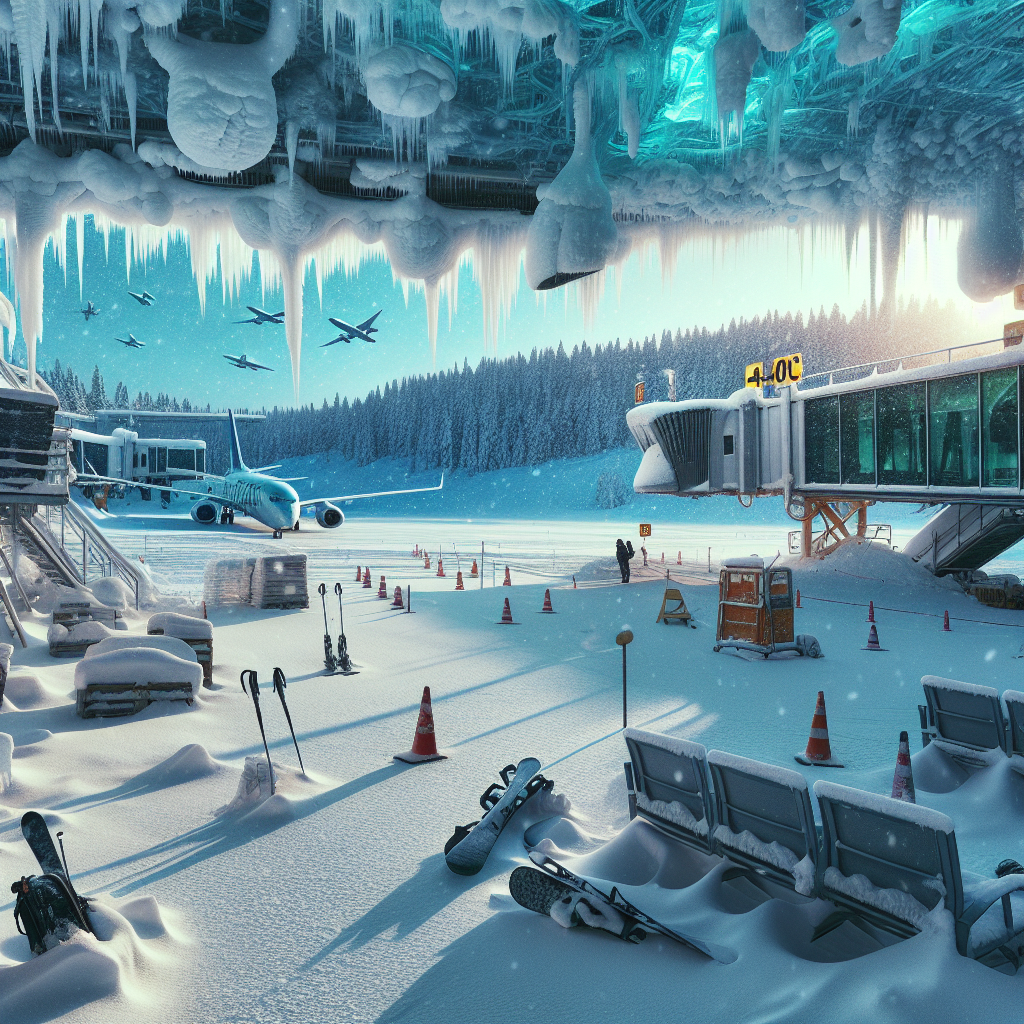
Image generated with Ai
Finland is currently grappling with an extreme cold wave, with temperatures plunging toward a chilling -40°C. This bitter cold is causing significant upheaval in travel and tourism across the nation. Notably, flights at Kittilä Airport have been canceled, while ski resorts in Lapland have shuttered their doors, leaving tourists unable to partake in winter adventures. As this Arctic blast is expected to last until Thursday, both local residents and the tourism sector face unparalleled challenges. Here’s what you should know about the disruptions caused by this severe weather event.
The Finnish Meteorological Institute (FMI) reports that the cold snap has gripped much of the country, with towns like Kittilä experiencing some of the lowest temperatures seen in recent years. Renowned for its ski resorts, Kittilä has become the epicenter of this chilling phenomenon, where daily life and the crucial tourism sector are both suffering.
Record-Breaking Cold in Finland: A Glimpse into Arctic Conditions
In northern Finland, temperatures have plummeted to around -40°C, marking one of the coldest periods in recent memory. The biting cold has disrupted daily routines and wreaked havoc on the tourism industry, which thrives during winter. Many ski resorts in the Kittilä area have had no choice but to suspend operations as chairlifts and gondolas were rendered unsafe for use. A considerable drop in visitor numbers has resulted, leaving hopeful tourists stranded and disappointed.
Kittilä Airport Faces Disruptions
The cold wave’s impact has reached Finland’s airports, with Kittilä Airport, a vital transit point for winter travelers, experiencing significant disruptions. The airport has reported numerous flight delays and cancellations, largely due to the challenges posed by freezing temperatures that hinder the de-icing process for aircraft. Travelers find themselves stranded, grappling with logistical nightmares as they attempt to reach their final destinations.
For many, what was meant to be a dream winter holiday has quickly turned into an ordeal, with the bitter cold halting their plans and leaving them in limbo at the airport.
Flight Cancellation and Delay Data at Kittilä Airport (Thursday)
| Airline | Cancellations | Delays |
|---|---|---|
| Finnair | 0 | 6 |
| Cancellations as of Thursday: | FIN1386 (Dublin Int’l to Helsinki-Vantaa) | Scheduled 06:15 PM GMT |
| Flights impacted: | FIN559 (Helsinki-Vantaa to Rovaniemi) | FIN560 (Rovaniemi to Helsinki-Vantaa) |
This data highlights the extent of the disruptions; while no flights have been canceled outright, six are delayed, punishingly affecting those hoping to enjoy Lapland’s winter wonders.
Arctic Amplification and Its Impact on Finland’s Weather
The icy grip enveloping Finland reflects broader climate trends affecting Europe. A phenomenon called Arctic amplification—where the Arctic warms significantly faster than the global average—is destabilizing the jet stream, enabling frigid air to surge southward. Climate scientists are concerned that while cold snaps like this one aren’t new, they may become increasingly extreme as global temperatures rise, especially for a country situated within the Arctic Circle like Finland.
The Impact on Finland’s Winter Tourism Industry
Winter tourism is central to Finland’s economic strength, particularly in Lapland, where tourists flock to revel in snowy landscapes and partake in activities like skiing and reindeer sledding. Unfortunately, this recent cold wave has strained the tourism sector, forcing numerous travelers to cancel or alter their plans. Ski resorts that thrive on winter conditions are particularly hard-hit, with outdoor activities rendered unsafe and numerous closures across the board. This has left many tourists disheartened, and the knock-on effects are felt in local hotels, restaurants, and attractions, all grappling with dwindling visitor numbers and revenue.
Addressing the Cold Snap: Mitigation Efforts and Adaptations
As Finland braces for continued extreme weather, both authorities and tourism enterprises are looking to mitigate the cold wave’s effects. Transport networks—from airports to railways—are working diligently to maintain operations despite the frigid conditions. However, the severity of the cold has prompted calls for enhanced infrastructure and resources to better manage such extreme weather events in the future.
To assist tourists, several ski resorts and other providers are pivoting to indoor activities and alternative experiences. Options such as cultural tours showcasing Finland’s stunning winter scenery and traditional sauna experiences allow visitors to savor the country’s distinct atmosphere even amidst the harsh weather. These adaptations aim to cushion the impact of the cold on the overall visitor experience.
The Bigger Picture: Europe’s Warming Trends and Extreme Weather
While Finland grapples with a frigid front, the overarching climate trend in Europe leans warmer, with areas reporting significant year-over-year temperature increases. This imbalance contributes to a rise in extreme weather events; where some regions experience scorcher summers, Finland’s current cold snap starkly contrasts those trends.
These climatic variances underscore the tangible effects of climate change, with experts predicting further fluctuations in weather patterns that could shape Europe’s climate future. As Finland and its northern counterparts face increasing weather extremes, adapting to these climatic shifts will be crucial for sectors like tourism.
What Travelers Can Expect Moving Forward
Travelers planning visits to Finland or other northern European destinations should remain vigilant regarding weather updates and prepare for abrupt temperature shifts. As climate change potentially normalizes such harsher winters, flexibility in travel plans will be key.
Being well-prepared for extreme cold—such as packing suitable clothing, monitoring potential flight delays, and adjusting itineraries—will be essential for navigating any travel disruptions. Additionally, travelers should be aware of the potential for transportation delays and outdoor attractions’ closures, which could impact local tourism businesses.
As Finland faces extreme cold, with temperatures nearing -40°C, there are serious implications for travel and tourism. This severe weather not only highlights challenges but also calls for innovative solutions to adapt and thrive despite the changing climate. With thoughtful planning and creativity, Finland can maintain its status as one of Europe’s premier winter destinations.