

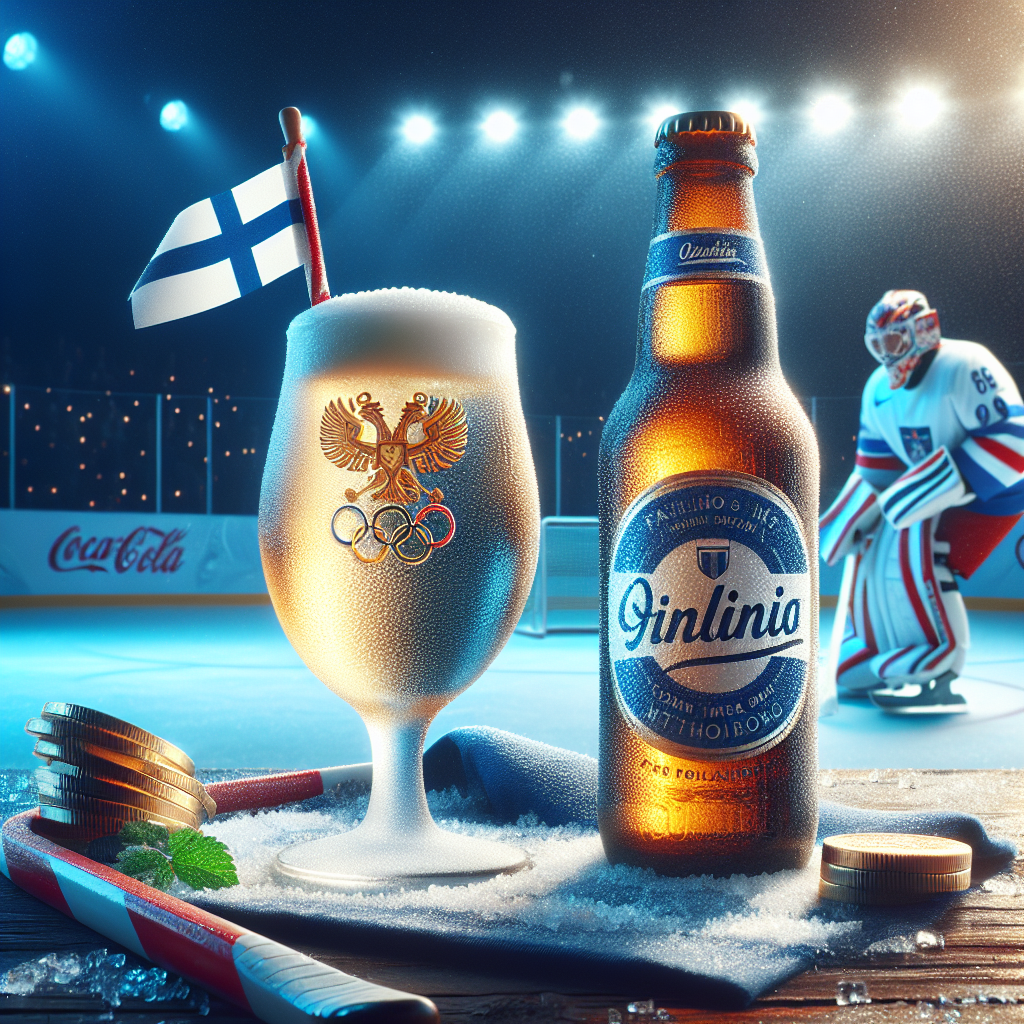
The Unexpected Olympic Roots of Finland’s National Drink
In the heart of every country lies its signature beverage, and for Finland, that drink is none other than the beloved long drink, known locally as “lonkero.” This refreshing concoction is a staple in Finnish culture, but few are aware of its intriguing origins, which are surprisingly tied to the Olympic Games.
The story begins in the 1950s when Finland was approached to host the summer Olympics in 1952. Anticipating a surge of international visitors, officials realized they needed a special drink that would both quench thirst and showcase Finnish ingenuity. The result was the invention of the long drink — a delightful blend of gin and grapefruit soda, served over ice.
The long drink quickly gained popularity among athletes and spectators alike, becoming a symbol of the country’s hospitality. Its fizzy, tangy flavor captivated many, and what started as a clever solution for the Olympics quickly evolved into a cherished national beverage.
Today, the long drink continues to be enjoyed in countless variations across Finland, a testament to the nation’s rich history and creativity. As you sip on this fizzy delight, you might just find yourself reflecting on its remarkable journey from a necessity born out of the Olympic spirit to an enduring emblem of Finnish pride.