

Discovering Lapland: The Real Winter Wonderland
Santa Claus, reindeer-led sleighs, and a winter landscape that seems torn from the pages of a storybook—one might think these are simply figments of holiday imagination. Yet, according to a survey by the travel operator TUI, a surprising one-third of Britons still view Lapland as a fictional realm. In fact, this enchanting destination is very much real, situated within the Arctic Circle.
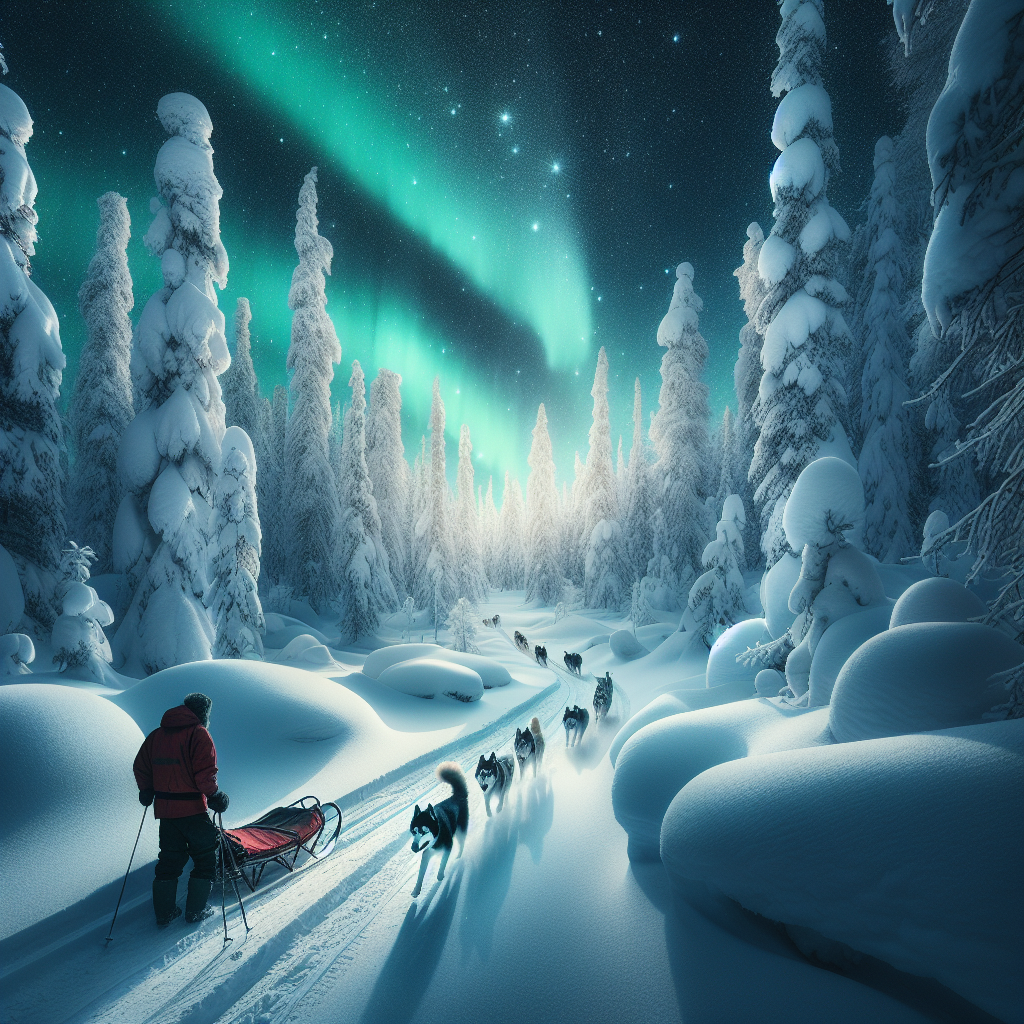
Spanning the northern reaches of Norway, Finland, Sweden, and Russia’s Kola Peninsula (though the latter is currently advised against for travel), Lapland remains one of Europe’s last great wildernesses. Known for its pristine air quality, the region features an extraordinary mix of charming fishing villages, towering coastal peaks, and vast taiga forests. Between November and April, this area transforms into a breathtaking winter wonderland, where the northern lights dance across the sky for more than 200 nights, fulfilling many children’s Christmas fantasies.
Formally known as Sápmi, this land is home to the indigenous Sámi people, who have inhabited these icy expanses for over 10,000 years. Interestingly, the term “Lapland” is a pejorative derived from “Lapp,” which denotes “uneducated” in Scandinavian languages. Visitors often find that learning about Sámi customs and reindeer herding becomes a highlight of their trip.
Why Visit Now?
Recent developments in air travel have opened new direct flights from the UK, reducing travel time to under four hours, making day trips to Lapland increasingly feasible. As holiday-goers seek alternatives to the fluctuating summer temperatures of Southern Europe, many are opting for ‘coolcations’ filled with snowshoeing, skiing, or even mushing a team of sled dogs. For those looking for solitude, there’s the option to huddle in a cozy log cabin, enjoying a hot tub under a serene blanket of snow, punctuated only by the occasional howl of huskies.
As the jolly man in red himself said: “Seeing isn’t believing—believing is seeing.”
Where to Go: Explore Finland
Nestled in the heart of Sápmi, Finnish Lapland boasts serene flatlands covered in birch, spruce, pine, and aspen, creating the quintessential setting for young families. Rovaniemi serves as the main hub, famed as Santa Claus’s official home and recognized as the culinary capital of the North. Visitors can meet Santa at Santa Claus Village or send letters from his post office, while the SantaPark theme park offers an evening of whimsy, and the Science Centre Arktikum provides an arctic expedition experience.
Lake Inari, Finland’s third-largest lake, is another must-visit spot for capturing the northern lights and immersing oneself in Sámi culture. Here, travelers can connect with local reindeer herders like Jan-Eerik Paadar at Inari Reindeer Farm, learning the intricacies of guiding a reindeer-drawn sleigh.
Accommodation Options
Lapland offers a variety of unique places to stay, catering to different preferences and budgets:
- Nivunki Village (from £500 per night): Enjoy a luxurious stay in modern glass cabins that offer unparalleled views of the northern lights.
- Wilderness Hotel Inari (from £816 per night): Located on the shores of Lake Inari, this hotel features glass-roofed cabins and arranges activities like ice fishing and snowshoeing.
- Invisible Forest Lodge (from £1,726 per night): These cabins, designed to blend into their forest surroundings, offer a private sauna and outdoor hot tub, just a ten-minute drive from Rovaniemi.
- Aurora Collection Resort (from £1,072 per night): Located in Saariselkä, this resort boasts gold-class suites, including glass-roofed igloos and a range of snowy adventures.
- Arctic Snow Hotel (from £480 per night): Finland’s unique ice hotel is rebuilt annually, providing rooms crafted from snow and ice, alongside heated glass igloos.
Swedish and Norwegian Lapland
Swedish Lapland features untamed beauty with a focus on culture rather than gimmicks. Kiruna, a small mining town home to the world’s first ice hotel, is the gateway to winter sports like dog sledding, ice sculpting, and moose safaris. Jokkmokk is famous for its annual Winter Market, while Luleå combines cultural heritage with the thrill of exploring frozen landscapes.
On the Norwegian side, Lapland showcases stunning mountains, fjords, and vibrant fishing villages. Tromsø, the “Paris of the North,” offers both cultural and outdoor adventures, including excellent opportunities for spotting the northern lights. Alta is known for its stable weather and the world’s first northern lights observatory, while Bodø is emerging as a hub of art and Sámi culture.
Planning Your Trip: When to Go and Costs
Snow typically begins to fall by October and lasts until April, with a peak season running from December through February. Holiday prices spike during this time, especially around Christmas, with costs averaging £1,500 for a three-night trip, while weeklong adventures can reach £2,500 or more depending on luxury and location.
How to Get There
Direct flights now significantly reduce the need for layovers in major cities. British Airways, Norwegian Air, and EasyJet all offer regular flights, creating hassle-free access to Lapland’s winter scenery.
Tips for Travelers
Keep in mind that global warming is impacting snowfall patterns, with some tour operators offering snow guarantees for added peace of mind. Furthermore, be aware of potential new border checks for entry into Schengen countries.
As you contemplate your own adventure to Lapland, remember that the region is steeped in both natural beauty and cultural heritage, making it a true winter escape. Whether you’re after a family holiday, an opportunity to connect with Sámi culture, or simply to bask in a snowy paradise, Lapland invites you to explore its magic.