

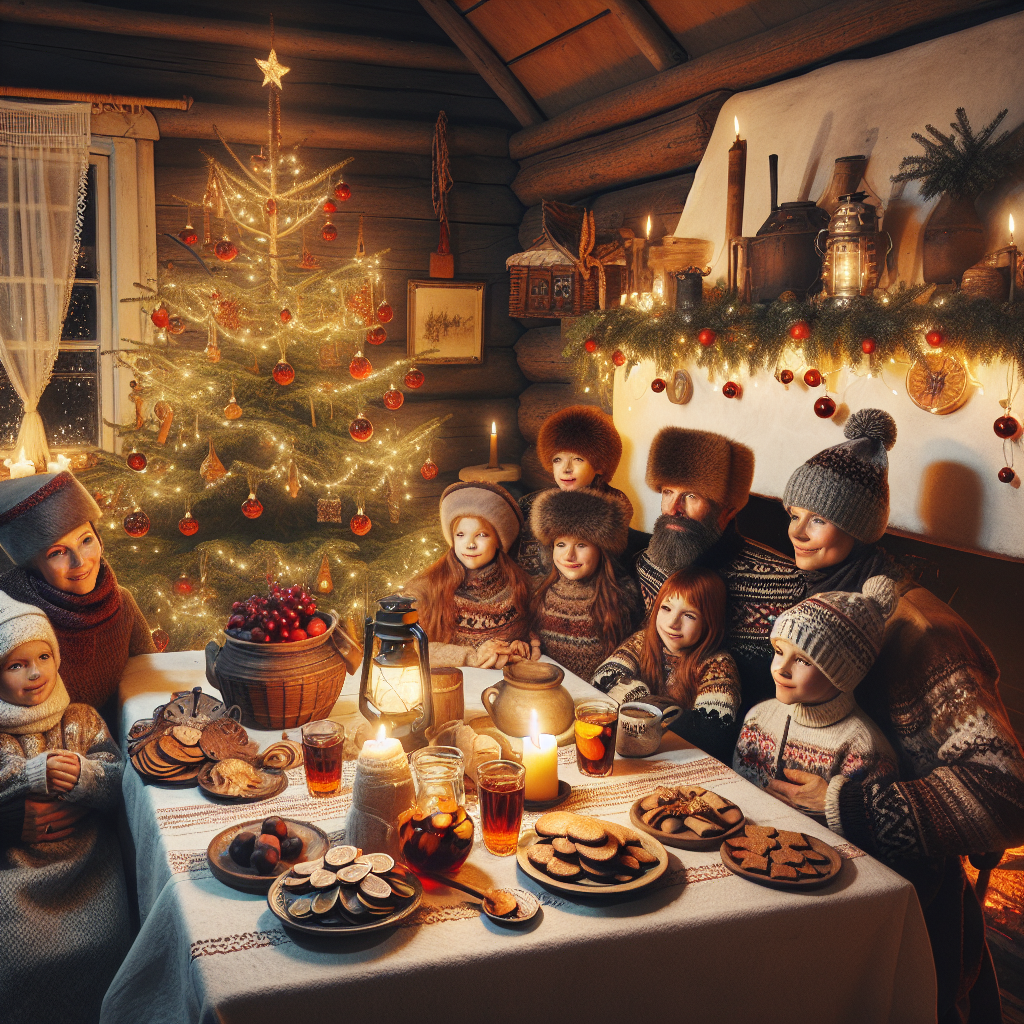
Christmas in Finland is a serene, family-focused celebration deeply rooted in tradition and shaped by the country’s unique environment. While many associate Finland with the festive figure of Santa Claus, the reality of the Finnish holiday season is far more understated than many visitors might anticipate.
Unlike the loud gatherings or public festivities found elsewhere, Finnish Christmas centers around the home, routine, and a sense of continuity. For countless families, the joy of December lies not in novelty, but in the comforting familiarity of customs that rarely change from year to year.
To appreciate Christmas in Finland, one must consider the timing, culinary delights, ambiance, and cultural values that underpin the holiday rather than seeking grandiose spectacles.
Christmas Eve: The Heart of the Celebration
In Finland, Christmas Eve—December 24th—takes precedence over Christmas Day, serving as the focal point of the entire season.
Most workplaces close early on Christmas Eve, with many businesses shutting their doors entirely. This is a day of travel; families reunite, returning to their homes to embrace age-old traditions and celebrations.
Notable customs on Christmas Eve include:
- A traditional Christmas feast
- Exchanging gifts
- A visit to the sauna
- Quiet moments spent with loved ones
Christmas Day itself is a time for continued relaxation rather than a primary celebration.
The Declaration of Christmas Peace
One of Finland’s most cherished traditions is the Declaration of Christmas Peace.
Every year, this declaration is read at noon on Christmas Eve from the historic city of Turku, a practice that traces back to the Middle Ages and symbolically heralds the beginning of Christmas.
The declaration encourages all to embrace the holiday with serenity and respect. It is broadcast on television and radio, prompting many Finns to pause and listen, if only momentarily.
Though largely ceremonial today, this tradition reinforces the notion of Christmas as a period characterized by calm rather than excess.
The Christmas Eve Sauna
The sauna holds a revered place in Finnish Christmas celebrations.
On Christmas Eve, many families venture to the sauna in the late afternoon or early evening. This encounter is not about socializing; rather, it’s a tranquil, traditional experience.
Indeed, the Christmas sauna is:
- Serene and unhurried
- Often experienced in silence
- A soothing way to prepare for the holiday
Historically, the sauna has symbolized cleanliness and transition, and entering Christmas in a state of physical and mental purity is a deeply held belief.
Traditional Finnish Christmas Cuisine
Food occupies a central role in the Finnish Christmas celebration, emphasizing beloved dishes over variety or excess.
The main meal is typically enjoyed on Christmas Eve after the sauna, featuring a selection of traditional fare such as:
- Oven-baked Christmas ham
- Swedish casserole
- Carrot casserole
- Potato casserole
- Rosolli (beetroot salad)
The flavors are comforting and gentle, reflecting memories and traditions rather than bold spices. Many of these dishes grace the table only during the festive season.
The Rice Porridge and the Hidden Almond
Rice porridge is a beloved dish typically served during the Christmas season, often enjoyed on Christmas Eve or Christmas morning.
A single almond is traditionally hidden within the porridge, and finding it is believed to bring good luck for the coming year. In some families, the fortunate discoverer might be asked to sing a song or perform a small task.
This simple yet cherished tradition is widely observed across the country.
Mulled Wine and Holiday Baking
During December, Glögi—a spiced hot drink akin to mulled wine—is a staple, often accompanied by:
- Raisins
- Almonds
- Gingerbread biscuits
Baking is an integral part of the lead-up to Christmas, with gingerbread and star-shaped pastries filled with plum jam being particularly popular.
Gift-Giving: A Modest Affair
In Finland, the art of gift-giving is marked by restraint.
Presents are typically exchanged on Christmas Eve, often following the main meal. Gifts lean towards the practical and thoughtful, reflecting personal connections rather than extravagance. Adults usually receive fewer gifts, preserving the holiday’s calmness.
For children, gifts may come “from Santa,” but the overall atmosphere remains tranquil.
Santa Claus in Finland
Globally, Finland is celebrated as Santa Claus’s home, particularly through its connection with Lapland and the town of Rovaniemi.
For families with children, Santa may appear in person or be represented symbolically, but for many adults, he is more of a peripheral figure as Christmas unfolds.
The international perception of Finnish Christmas often leans heavily on the Santa narrative, which diverges from the quieter, more intimate realities at home.
Honoring the Departed: Visiting Cemeteries
Many Finns take the time during Christmas to visit cemeteries, lighting candles on the graves of family members.
On Christmas Eve and Christmas Day, cemeteries across the nation are illuminated by the soft glow of candlelight, reflecting a deep-rooted commitment to remembrance and continuity across generations.
This practice is a quiet and reflective tradition, rather than a religious obligation.
Religion’s Place in Christmas
With a long Lutheran heritage, Christmas in Finland retains religious significance for some families.
Church services are held on Christmas Eve and Christmas morning, though attendance varies widely.
For many Finns, the holiday carries cultural weight rather than overt religious symbolism, with traditions followed irrespective of personal beliefs.
Christmas Day: A Day of Rest
In stark contrast to other countries, Christmas Day on December 25th is remarkably quiet in Finland.
Stores remain closed, public transportation is limited, and the streets are mostly deserted.
This day is often spent:
- Relaxing at home
- Enjoying leftovers
- Watching television
- Taking leisurely strolls
There’s little expectation for activity or social engagement.
Embracing Silence and Darkness
Christmas in Finland occurs amidst the darkest days of the year.
With limited daylight, particularly in the northern regions, the season’s atmosphere is profoundly affected.
Candles, soft lighting, and early evenings characterize the festive experience, while silence is embraced, valued, and not seen as an absence but as a welcomed state.
What Makes Finnish Christmas Unique
Finnish Christmas stands apart from the celebrations in many other countries, as it prioritizes calm over revelry.
There’s little pressure to entertain, perform, or indulge excessively.
The focus remains on time-honored rituals, family connections, and allowing the season to drift by in tranquility.
For those visiting, this tranquility may come across as understated, yet for Finns, it is precisely this simplicity that makes Christmas profoundly meaningful.
Christmas: A Journey of Continuity
In Finland, Christmas is not designed to dazzle; it’s a celebration that bridges the past and present.
Countless traditions are upheld not for their excitement, but for their familiarity and comfort.
Each year unfolds in a similar manner, and this consistency is intentional.
Christmas arrives, unfurls gently, and departs quietly, leaving behind a sense of order just before the long winter settles in.