

When you think of Vikings, what images spring to mind? Ruthless warriors from Scandinavia raiding the coasts of England? Iconic longships slicing through the North Sea? Or perhaps you picture the dramatic reenactments of the popular television series?
Here’s a twist you might not expect: the Vikings also made their presence felt in Finland. While Finland never served as a Viking stronghold like Denmark or Norway, and the Finns themselves were not Vikings in the classical sense, the country played a pivotal role in the Viking saga of trade and travel. Today, you can even visit sites in Finland that echo this storied past.
Let’s delve into Finland’s connection to the Vikings and uncover where you can trace their steps. Skål!
Were Finns considered the Vikings?
First, let’s set the record straight: Finns were not Vikings. The term Viking specifically designates the Norse seafarers from what are now Norway, Sweden, and Denmark, known for their raiding, trading, and exploration between the 8th and 11th centuries.
In contrast, the Finns belong to an entirely different cultural and linguistic group known as the Finnic peoples. They spoke a language that stands apart from Old Norse and maintained distinct traditions, belief systems, societal structures, and strategies of warfare.
Despite these differences, the Vikings and Finns were not strangers. They lived as neighbors, engaged in trade, and at times, competed for resources. Archaeological findings suggest that the cultural exchanges between the two groups were more profound than often assumed.
Was Finland just another country to conquer for the Vikings?
Unlike their ambitions in other parts of Europe, the Vikings did not see Finland as a territory to conquer. Instead, they regarded it as a valuable waypoint along their vital trade routes.
Swedish Vikings, in particular, found ample opportunities for contact with Finnish tribes across the short expanse of the Baltic Sea. Communities such as the Tavastians and Karelians interacted closely with Viking traders, sometimes collaborating as allies, while other times vying for control over resources. While Viking raids occasionally targeted Finnish settlements, the overarching focus remained rooted in trade rather than conquest.
Finland boasted a wealth of resources—fur, walrus ivory, and timber—that were highly sought after in Europe and Asia. In exchange, the Finnish tribes gained access to luxury items like silver, glassware, and expertly crafted weapons. It’s even believed that some Finnish warriors joined Viking expeditions, blending into their raiding and trading parties.
Why was Finland a valuable trading route for the Vikings?
You might already suspect the reason: Finland’s landscape of countless lakes and rivers made it a veritable highway for Viking explorers and merchants.
One of the principal routes began in Sweden, traversed the Åland Islands, and then followed the Finnish coastline. From there, they could navigate along the Aura River and head inland toward Russia.
Turku (known as Åbo in those days) emerged as one of the largest Viking settlements and served as the main trade center linking the Vikings with Russia. The “Varangian Route” connected Scandinavia to marketplaces in Kievan Rus’ and even reached the Byzantine Empire, signifying one of the Vikings’ enduring impacts on Finland.
Another significant route ran through the Gulf of Finland into Karelia, linking them to bustling trade hubs like Novgorod. This network allowed the Vikings to explore deep into the continent without the arduous task of navigating challenging land terrain.
Over time, trading hubs that sprouted along these routes evolved into more permanent settlements, laying the groundwork for future cities in the region.
Did the Vikings leave a mark in Finland?
Without a doubt. The Vikings left a lasting imprint on Finland—one that extended well beyond commercial interactions.
In addition to their trading practices, Finnish tribes adopted various Viking shipbuilding techniques, bolstering their naval prowess. The Vikings also introduced advanced metalworking methods, enabling Finnish blacksmiths to forge stronger weapons and tools.
Runestones and grave goods found in southwestern Finland reflect clear Viking influence, showcasing imported silver coins, swords, and intricate brooches.
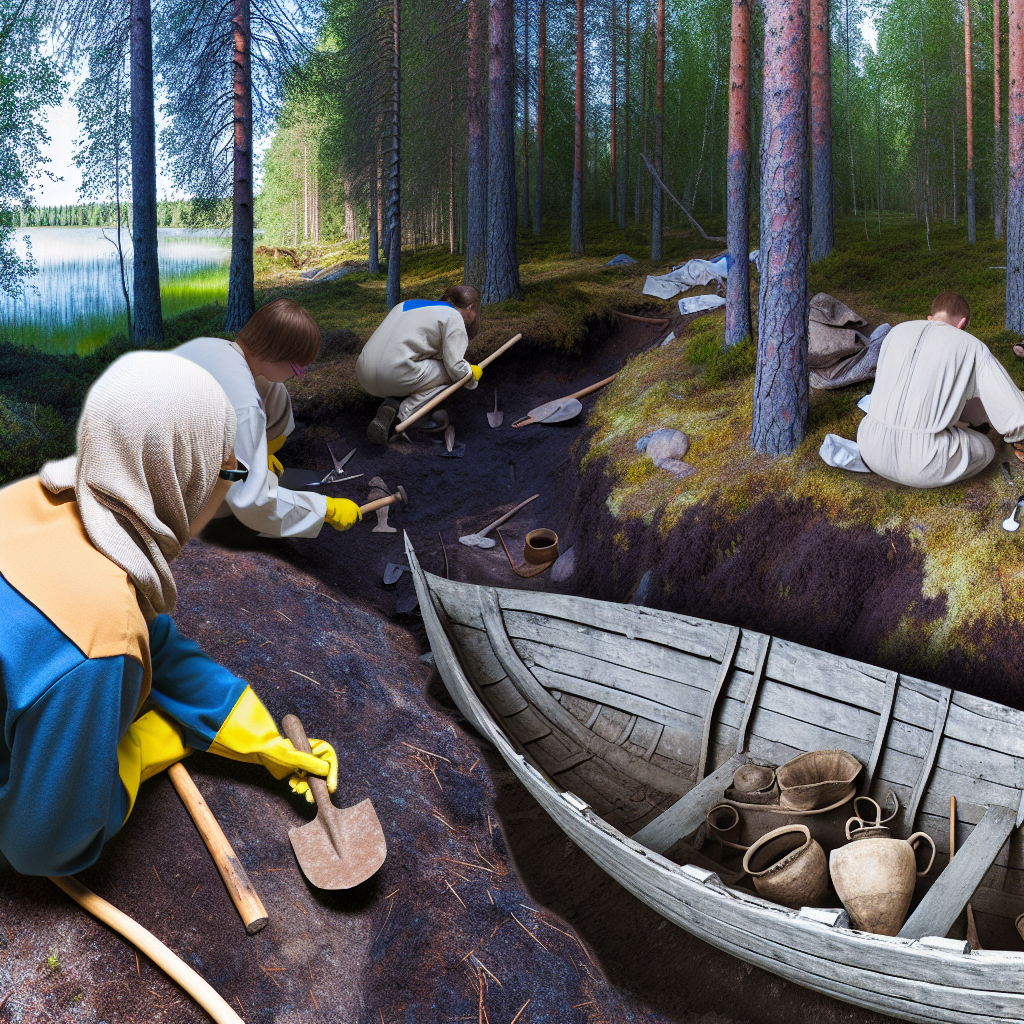
A 2015 article from Yle highlights how archaeologists have unearthed numerous Viking-age artifacts in Finland, including coins, weapons, and jewelry, indicating not merely transient visits but enduring interactions over generations.
Many of these items were discovered in areas like Laitila, Hollola, and Kaarina, which were integral to broader Viking-era trade networks.
Even elements of Norse mythology managed to weave their way into Finnish folklore, creating a fascinating blend of cultural narratives.
Viking Legends and Finnish folklore
While the Vikings did not dominate Finnish culture, their myths and symbols undeniably left a mark.
For example, echoes of Norse gods like Thor and Odin find their way into some Finnish tales—often intertwined with local spirits and nature deities. Over time, the sagas of the Norse blended with the lore of the Kalevala, yielding a unique tradition filled with enchanted swords, shape-shifting heroes, and tragic quests.
A popular legend from the Turku region recounts a Viking chieftain who fell in love with a local Finnish woman, leaving behind treasure buried near the Aura River. Though it has yet to be found, the story continues to inspire adventurers today.
In Karelia, tales endure of ghost ships that emerge on foggy nights—said to belong to Viking raiders cursed to sail the seas forever.
Such legends are more than mere folklore; they illustrate the profound impact of the Viking Age on Finland’s cultural heritage.
Want to Walk Where the Vikings Walked?
If you’re eager to embrace this Viking history, two destinations in Finland offer immersive experiences.
- Rosala Viking Centre
Situated in the picturesque Turku archipelago, Rosala serves as a living Viking museum, where visitors can explore a reconstructed chieftain’s hall, try their hand at authentic Viking crafts, and learn about daily life during the Viking Age. It’s an enriching experience for families and history enthusiasts alike. - Rakikota Island
Located off the southeastern coast near Kotka, this serene retreat invites visitors to fully immerse themselves in Viking traditions. Dress in period attire, sleep in traditional dwellings, and partake in age-old feasts. It’s not merely a visit; it’s a time-travel experience you won’t soon forget.
Both destinations provide a unique glimpse into the Viking world, seen through a distinctly Finnish perspective.
In conclusion…
So, were there Vikings in Finland?
Not quite. While Finland may not have been a Viking homeland, it was undeniably an essential part of their extensive network connecting Scandinavia, Russia, and beyond.
The Vikings’ influence on Finland was rooted more in trade and cultural exchange than in conquest. Their legacy continues to resonate in Finnish history, language, and archaeology, weaving a rich tapestry into the nation’s past. So the next time you think about the Vikings, remember: their reach extended far beyond their legendary raids!