

In a Helsinki Cellar, Old Ties Fade Amidst War’s Shadow
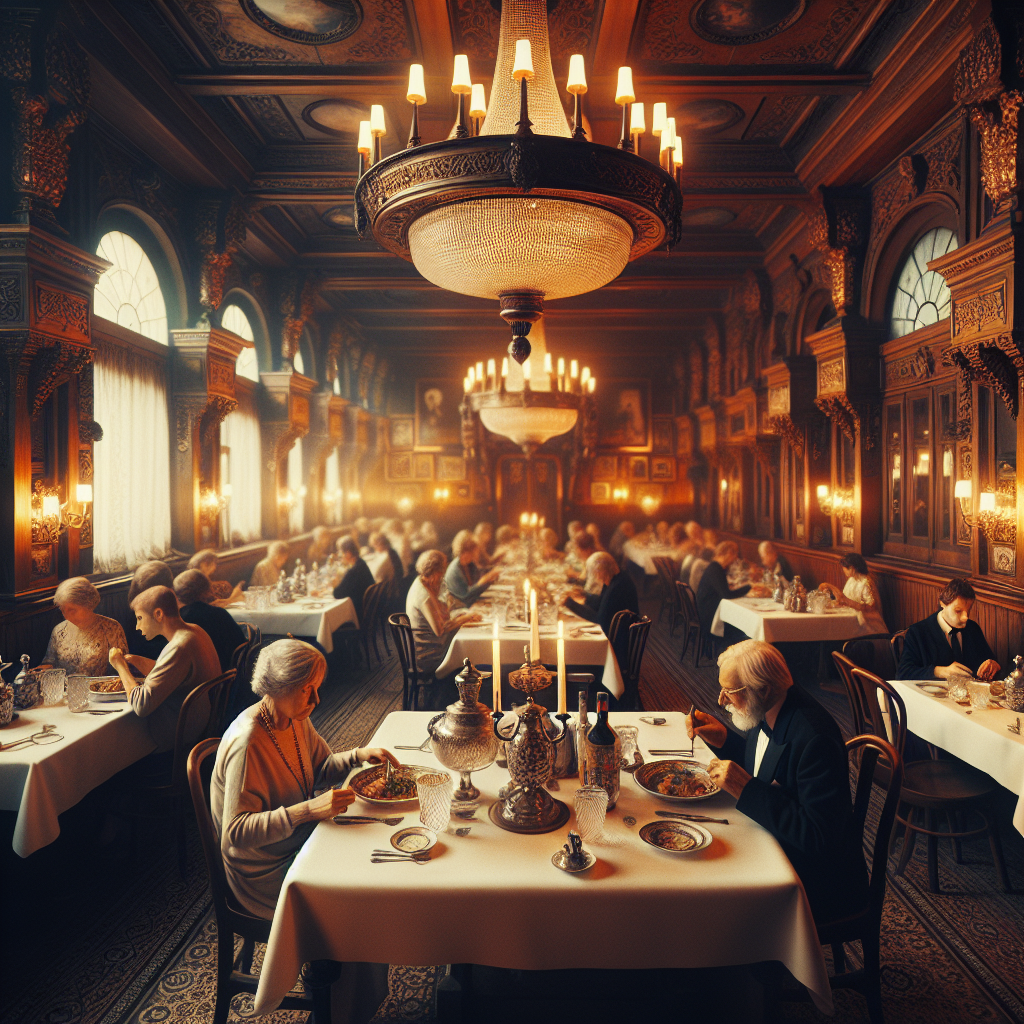
Nestled in the cellar of a restaurant just a stone’s throw from the imposing Russian embassy in Helsinki, dusty paintings of tsars and Cossacks reside in dim light—a relic of a rapidly fading era. Once home to a vibrant tapestry of Russian eateries, Helsinki has seen a dramatic shift in the wake of the 2022 invasion of Ukraine. The Finnish capital has transformed itself into a staunch supporter of Ukraine, even joining NATO after decades of neutrality. The Finnish government has extended more than €2.9 billion in aid to its new ally, while many residents have turned away from Russian cuisine. Today, only one traditional Russian restaurant, Saslik, remains, its basement now emblematic of a frayed relationship between neighboring nations, a tension reminiscent of the darkest days following World War II.
“We had to take all the Matryoshkas away,” recalls Nonna Karvia, the restaurant’s manager. “The day the war started, we put a Ukrainian flag on our door.”
Founded in 1972 by a Finnish quiz show host, Saslik carved out a reputation in a city celebrated for its culinary diversity, offering some of the finest Russian food outside the motherland. However, in the wake of the conflict, the term “Russian” vanished from the restaurant’s website, replaced instead by the broader “Slavic.” A once-familiar subtitle—“From Russia with Love”—has also disappeared. Inside, the Finnish flag now shares the spotlight with those of Ukraine and the United States, while vodka and caviar from Russian brands have been scrubbed from the menu.
“The Russian embassy is right here, and there were many protests,” Karvia shared during a recent visit. “We were at risk.”
Despite these turbulent times, Saslik has gradually welcomed customers back, not merely because of its adaptive approach, but due to its deep roots in the community. This cherished dining spot, a warren of intimate, dimly lit rooms adorned with “Slavic” memorabilia, flourished during the Cold War, often hosting a blend of Finnish and Russian elites. Longtime Finnish President Urho Kekkonen was a frequent guest, and notable figures like the King of Sweden, Frank Zappa, and rock icons including Bono and Iggy Pop have passed through its doors. A 1989 article in The New York Times hailed Saslik as “certainly the most festive Russian restaurant in the city.”
In 1994, a waitress named Anne Tainio and her husband, Sakari, took the reins, embellishing Saslik with an eclectic collection of Slavic art. Sakari’s passion for art has led to an ever-evolving gallery within the restaurant, but the ongoing conflict has made the task of curating new pieces a delicate endeavor. In the cellar, a poignant sketch of Russian soldiers lies atop a pile of paintings relegated to the dark—a poignant reminder of the complexities at play.
Operating a Russian restaurant in today’s climate poses significant challenges, particularly in Finland—a nation shaped by a tumultuous relationship with its eastern neighbor. Finland endured military occupation during the 18th century and fiercely resisted Soviet advances during World War II. The remnants of this history linger, with a statue of Tsar Alexander II standing prominently in the capital’s main square, and reverence for Lenin still present among some in Finland’s Communist Party.
Since Russia’s invasion of Ukraine, fears of encroachment have resurfaced along the Finland-Russia border. The Finnish authorities responded by closing the border, resulting in a staggering 95% drop in Russian tourism over the last few years. As a result, many Russian restaurants in Helsinki have shuttered their doors, but Saslik stands strong, adeptly navigating its storied past while adapting to the present political landscape.
The restaurant’s menu reflects this duality: the borscht is now labeled as “Borscht Soup, Ukrainian Way,” while classics like “Ivan’s Sword” and “Baked Alaska à la Catherine the Great” remain—too integral to the restaurant’s identity to be cast aside.
In one of the main dining rooms, a portrait of Nicholas II, Russia’s last emperor, remains a stubborn fixture on the wall—so long in place that the wallpaper behind it has faded. “That painting has been there for so long that we haven’t found anything to replace it yet,” Karvia notes. “Finding the right balance for the decor isn’t an easy task.” Beneath the watchful gaze of the emperor, a small Ukrainian flag sits on a service table, a subtle reminder of the restaurant’s evolving narrative.
As Saslik strives to reconcile its legacy with the present, it stands as a testament to the complexities of cultural identity amid conflict. In a world where relationships are fraught and historical ties strained, this restaurant’s journey represents a delicate dance of survival, resilience, and reinvention.
Want more Thrillist? Follow us on Instagram, TikTok, Twitter, Facebook, Pinterest, and YouTube.
Andrea Prada Bianchi is an accomplished journalist based in New York, having reported from conflict zones and various countries, including Iran, Iraq, and Finland, for prominent publications such as The Guardian, National Geographic, and Al Jazeera.