

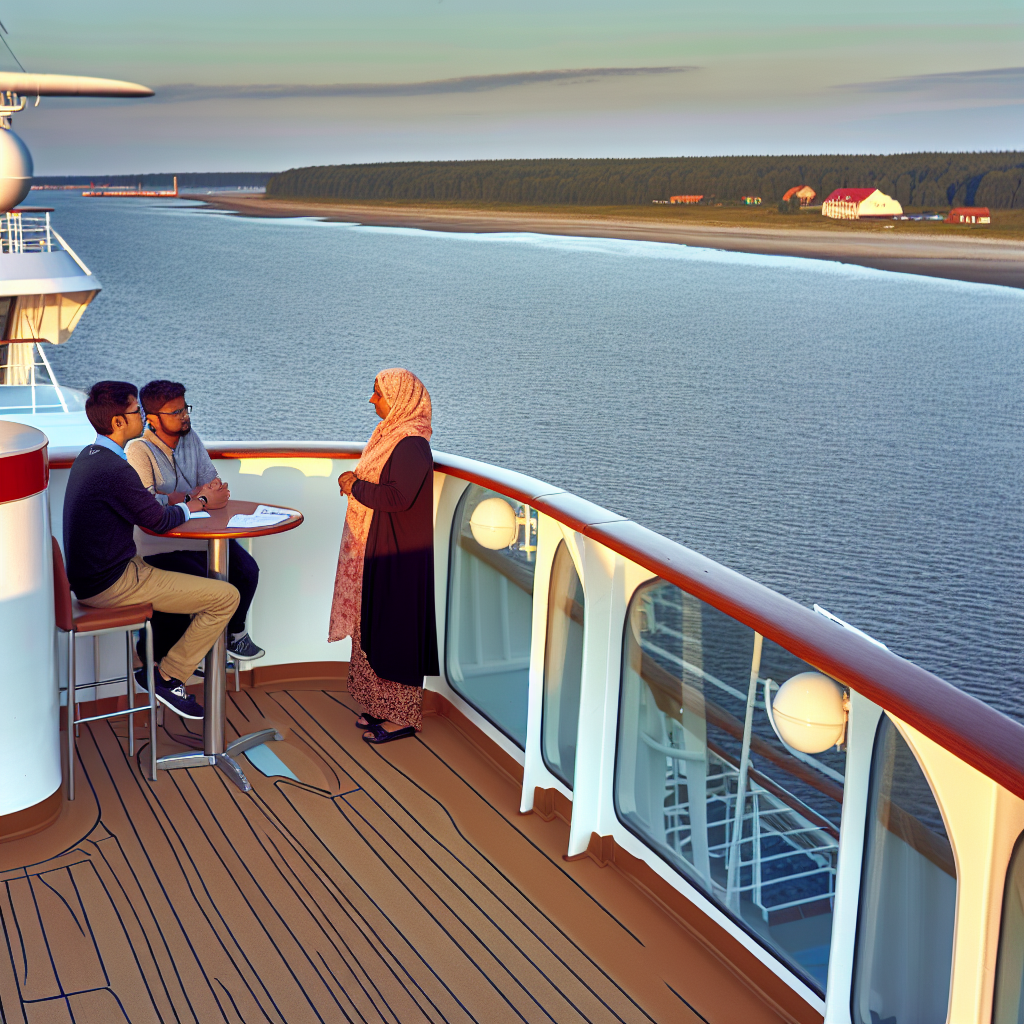
Exploring the enchanting waters of the Baltic Sea is as easy as embarking on a cruise or ferry trip to captivating destinations like Turku, Helsinki, Tallinn, Stockholm, or Mariehamn. While stepping aboard a massive cruise ship can seem daunting, especially for first-timers, there’s no need to worry. Below, we’ve compiled essential tips and links to help you navigate your journey with confidence.
Traveling to Finland on a Large Cruise Ship
Large passenger vessels frequently operate from Turku and Helsinki to popular ports like Tallinn, Stockholm, and Mariehamn—and vice versa. If you’re planning to arrive in Finland, ensure that you confirm your port and terminal well ahead of departure. In Turku, all ferries operate from a single port, whereas Helsinki presents multiple options. It’s crucial not only to be at the right port, but also to find the correct terminal for your ferry company. Double-check these details before your trip to avoid any last-minute surprises.
How to Purchase Your Ticket
Tickets can be conveniently purchased through the ferry company’s website, over the phone, or with a mobile app, if available. Downloading the app is highly recommended, as it allows you to view your booking, access schedules, and retrieve your boarding QR code. The app also typically offers options to modify your booking and add services.
When purchasing a ticket, you’ll need to provide details about any fellow passengers, your vehicle (if applicable), and whether you’d like to include a cabin in your reservation. Don’t forget: all passengers must present a valid ID, such as a passport. If you’re coming in from outside the EU, ensure you check for any additional documentation you might need.
Understanding the Difference: Cruise vs. Point-to-Point Crossing
Typically, a cruise takes you from the departure port to a destination and back on the same vessel, often with only a brief stop ashore. Conversely, a point-to-point crossing is a more straightforward journey from point A to point B, allowing for a longer stay at the destination before returning on a different departure, possibly aboard another ship.
Car Check-In: What to Expect
For those traveling with a vehicle, check when vehicle check-in opens via the app or booking confirmation. It’s advisable to arrive at least an hour before departure. Follow the signs to your company’s designated lanes and stop at the checkpoint when it’s your turn. An agent will verify passengers’ IDs, check your booking, and provide boarding cards while directing you to the appropriate waiting lane. You will receive a tag for your vehicle to indicate its destination (for example, Å = Åland). Always heed the instructions from port and car-deck staff.
Car-Free Travel: Your Check-In Process
For those traveling without a car, aim to arrive at the terminal at least one hour before departure. If you have the ferry company’s app, you can complete check-in there and go directly to the gates, using your QR code once they open. If you don’t have a mobile boarding pass, head first to the check-in desk or a self-service kiosk. Once through the gates, you’ll await your turn to board with fellow passengers—patience is key, as this process can take some time.
How to Drive Your Vehicle Onto the Ship
During loading, traffic controllers will signal drivers lane by lane onto the car deck. Proceed calmly and adhere to staff instructions. Once you’ve parked where instructed, engage your parking brake and ensure your car is in gear or set to “P.” Remember to take with you any necessities, as car decks are generally off-limits during the voyage. Make a note of your car deck number and the nearest staircase to make locating your vehicle easier later.
To Cabin or Not to Cabin?
While a cabin offers a sanctuary of peace, complete with private washing facilities and a secure space for your belongings, for shorter daytime crossings, many prefer traveling without one. Throughout these journeys, you can relax in lounges, cafes, and restaurants. However, during peak sailings, seats may be in high demand. If privacy or traveling with children or pets is a priority, a cabin becomes the most practical choice.
What Can You Expect in a Cabin?
Standard cabins include bunk beds, a private shower and WC, and often feature a TV. Upgraded cabins typically offer windows and additional space. Prices vary according to route, day of the week, and season; winter rates tend to be more affordable than those during the summer months.
Duration of Your Voyage
The length of your trip depends significantly on your destination. Typically, a ferry ride from Helsinki to Tallinn takes less than three hours, while the journey from Turku to Mariehamn lasts about six hours. A crossing from Turku to Stockholm can take nearly ten hours, while a trip from Helsinki to Travemünde, Germany, may stretch up to thirty hours. If you’re taking a longer journey, it’s wise to consider booking a cabin for added comfort.
Luggage Storage Options Without a Cabin
Most ships offer lockers for luggage storage. While you can keep smaller bags with you, think about the policies in restaurants and show venues, as well as your own ease of movement—carrying large suitcases throughout the trip can be cumbersome. If you have a car, the most efficient method is to store most of your belongings there and bring only what you need into the passenger areas.
Charging Your Devices Onboard
Yes, you can charge your devices while onboard. Look for USB charging points and power outlets in public areas and your cabin. Don’t forget to bring your charger.
Dining Options and Dietary Accommodations
Onboard, you’ll find a selection of dining choices ranging from à la carte restaurants to casual eateries and generous buffets. Most ships can accommodate special dietary needs, so feel free to discuss your requirements with restaurant staff; vegan, lactose-free, and gluten-free options are commonly available.
Shopping Opportunities Onboard
Yes, there are shops onboard, typically offering cosmetics, perfumes, clothing, sweets, souvenirs, and alcoholic beverages (for adults). Be mindful of import limits and tax regulations that vary by route and destination; check your personal allowances before making larger purchases.
Onboard Entertainment and Amenities
The range of entertainment varies by ship and time of departure, with cruise ferries often showcasing live music, especially in the evenings. Many boast children’s play areas, spa and sauna facilities, and sometimes even gym access. It’s advisable to review the ships’ offerings before booking, including artist performance schedules, which can usually be found online well in advance.
Wi-Fi Availability
Wi-Fi is available onboard, though the strength of the connection can vary.
Outdoor Access on the Ship
Yes, you’re welcome to step outside and take in the stunning sea vistas.
Onboard Payment Methods and Currency
Everywhere on board, card payments are accepted, and prices are listed in euros.
Addressing Seasickness
While Baltic Sea cruises are typically smooth with minimal swaying, the ship’s motion can fluctuate depending on the weather. If you’re feeling uneasy, don’t hesitate to visit the information desk for assistance. Bringing motion-sickness medication and staying hydrated can also help.
Safety Protocols and Briefings
Unlike airplanes, there isn’t a separate safety demonstration. Emergency exits and muster stations are clearly marked throughout the decks and in cabins. It’s wise to review safety instructions after boarding and follow any updates provided on information screens or by staff during exceptional situations.
Navigating Public Transport and Taxis from the Port
Taxis await passengers outside the terminal. Public transport stops are clearly signposted at the ports; in Turku, for example, both train and bus services operate to and from the port, while in Helsinki, trams and buses depart from directly in front of the terminals. Walking distances within the terminals tend to be manageable, but expect to queue during peak times.
Disembarking Procedures
Upon disembarkation, pedestrians will be directed through mid-ship exits based on announcements indicating the deck and door(s) to use. Motorists should head to the car deck ahead of time, typically about half an hour before arrival, to follow instructions carefully. If your destination is Mariehamn, note that the stop there is brief; any delays may result in missing your exit. Also, if you ventured ashore during the cruise, be back on board by the time indicated by the company—latecomers will not be accommodated.
First-Time Travelers: Essential Tips
- Verify your port and departure terminal in advance.
- Check the ferry company’s website for necessary documentation.
- If traveling with a pet, ensure you check their required documents and vaccinations.
- Arrive early and keep your travel documents easily accessible.
- Download the ferry company’s app and enable notifications for real-time updates on gates and schedules.
- Note your car deck and the nearest staircase for ease of navigation.
- If driving, plan ahead and pack essentials separately to minimize unnecessary items onboard.
Explore Different Cruise Ship Companies
Each cruise vessel offers a unique ambiance and variety of services. Take the time to familiarize yourself with the ships and their entertainment options before deciding. Make sure to heed any specific instructions from the company regarding check-in procedures, onboard navigation, and disembarkation.
Discover More
The Beautiful Medieval Chapel Ruins of Lemböte in Åland
Discover this historical Treasure of Åland – Kastelholm Castle
An Autumn Outing by the Baltic Sea: Our Trip and Tips for You!
Snorkeling in the Baltic Sea – What to Expect Along the Finnish Coast